3509 SE Willoughby Blvd, Stuart, FL 34994

When people think about replacing a missing tooth, the focus is usually on the visible result — the crown, the shape, and how natural it will look. Those things matter, but a successful dental implant depends on something far more important: the foundation beneath it.
Dental implants aren’t just about replacing a tooth. They’re about recreating the entire structure, including the root that anchors the tooth in the jaw. Without a strong, healthy jawbone, even the most advanced implant can’t function properly.
Patients searching for a dentist near them often ask whether they can get implants right away. The answer depends on one critical factor: the condition of the bone. Understanding how jawbone health affects dental implants can help you make informed decisions and avoid complications down the road.
What Is a Dental Implant?
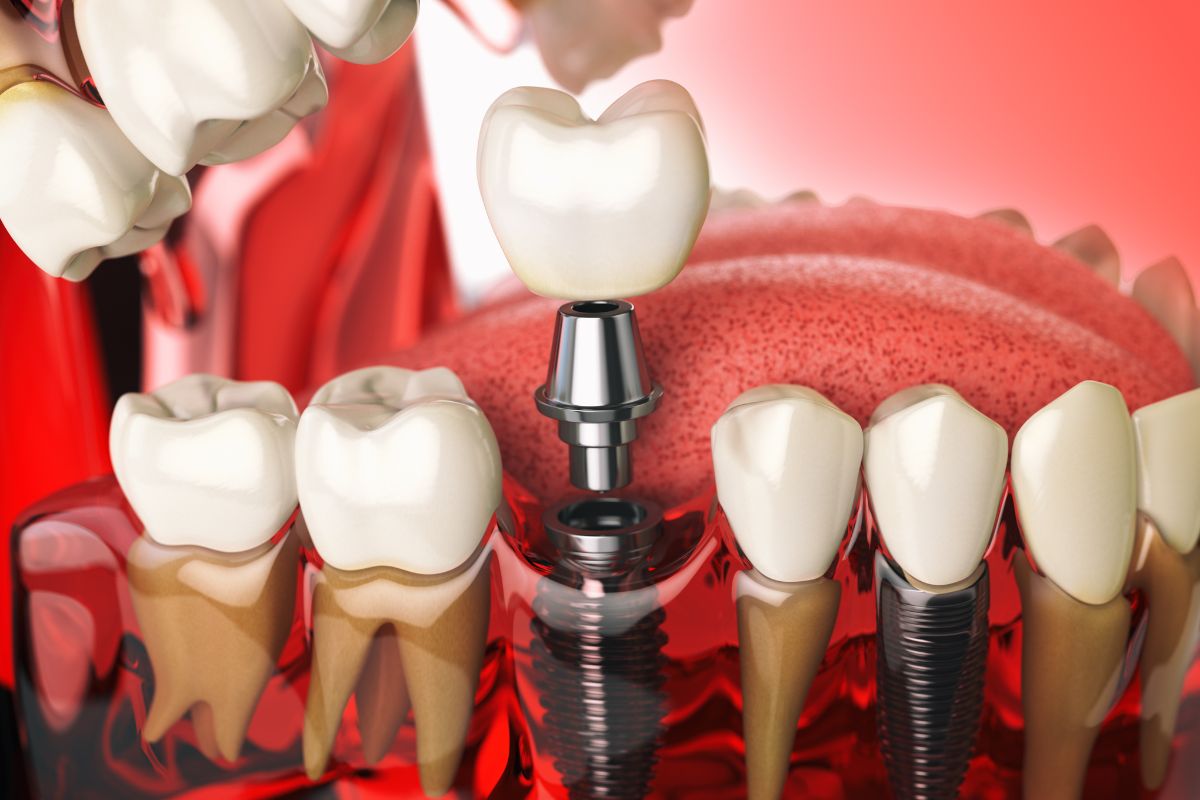
A dental implant is a small titanium post placed into the jawbone to replace the root of a missing tooth. It consists of three main parts:
- The implant post, which integrates with the bone
- The abutment, which connects the post to the crown
- The crown, which looks and functions like a natural tooth
This structure allows the implant to feel stable and function just like real teeth. Unlike traditional solutions, implants don’t rely on neighboring teeth for support — they depend entirely on the strength and density of the jawbone. A skilled dentist will evaluate this foundation before recommending treatment.
Why Jawbone Health Matters
The jawbone plays a critical role in implant success. When an implant is placed, it undergoes a process called osseointegration — the bone grows around the implant and fuses with it. For this to happen successfully, the bone must be dense enough to support the implant, healthy and free from infection, and present in sufficient volume to hold the implant securely.
If the bone is weak or insufficient, the implant may not stabilize properly. That’s why a qualified dentist will always assess bone quality before proceeding with implant treatment.
What Happens to Bone After Tooth Loss
When a tooth is lost, the jawbone in that area begins to change. Teeth stimulate the bone through everyday activities like chewing, and when that stimulation is gone, the body starts to resorb, or break down, the bone. This leads to gradual bone shrinkage, loss of height and width in the jaw, and visible changes in facial structure.
Bone loss can begin within months of losing a tooth and continues over time. Patients who delay treatment often find that the bone has become insufficient for dental implants, making the process more complex and costly.
How Bone Density Affects Implant Success
Bone density refers to how strong and compact the bone is, and it directly impacts how well an implant can integrate and remain stable.
High bone density:
- Provides strong support
- Improves implant stability
- Increases long-term success rates
Low bone density:
- Reduces stability
- Increases the risk of implant failure
- May require additional procedures before placement
A thorough evaluation ensures that the implant is placed in an environment where it can succeed.
Why Timing Is Critical
Timing plays a major role in preserving jawbone health. When a missing tooth is replaced early, bone loss can be minimized, the implant integrates more easily, and treatment is often simpler overall. When treatment is delayed, the bone continues to deteriorate, additional procedures may become necessary, and the overall timeline gets longer.
Early intervention typically leads to better outcomes, so it’s worth acting sooner rather than later.
What Is Bone Grafting and Why It May Be Needed
Bone grafting is a procedure used to rebuild or strengthen the jawbone. It involves placing bone material in areas where deterioration has occurred, restoring lost bone volume, and creating a stable foundation for implants.
While some patients feel concerned about additional procedures, bone grafting is a common and well-established part of implant dentistry. A trusted dentist will recommend this step only when it’s necessary to ensure the long-term success of your implant.
Can You Get Implants Without Enough Bone?
In some cases, implants can still be placed using advanced techniques, but adequate bone support is essential for predictable, lasting results. Without it, the implant may not integrate properly, stability may be compromised, and long-term success is less certain. This is why proper evaluation and preparation are so important — your dentist will determine whether bone grafting or another preparatory procedure is needed before placing the implant.
Signs You May Have Bone Loss
Bone loss isn’t always immediately visible, but there are signs that may indicate changes in the jaw:
- A sunken or aged appearance in the face
- Difficulty with existing dentures
- Changes in how your teeth fit together
- Noticeable shrinkage along the jawline
If you notice any of these signs, it’s important to schedule an evaluation with your dentist.
Benefits of Early Implant Planning
Planning for implants early offers several meaningful advantages.
Preserves bone structure — Replacing a tooth promptly helps maintain bone density and volume.
Simplifies treatment — Early intervention often reduces the need for additional preparatory procedures.
Improves aesthetic results — Maintaining bone supports natural facial contours and appearance.
Enhances long-term stability — Strong bone leads to more reliable implant outcomes over time.
Patients who take action early typically experience smoother treatment and better overall results.
Common Patient Questions
“Do I really need a bone graft?” If bone loss has occurred, grafting may be necessary to ensure the implant has a solid foundation.
“Is bone loss permanent?” Natural bone loss can’t reverse on its own, but procedures like grafting can effectively restore volume.
“Can I wait before getting an implant?” Waiting increases the risk of further bone loss and may complicate — and lengthen — your treatment.
“Is implant treatment safe?” When performed by an experienced dentist, implant procedures are safe and highly effective.
The Role of Your Dentist in Implant Success
A qualified dentist plays a critical role at every stage of implant treatment — from diagnosing bone condition and planning the procedure to performing the placement and monitoring healing. Choosing the right provider ensures your treatment is tailored to your specific needs, with a focus on long-term success rather than a quick fix.
Build the Right Foundation for Your Smile
A successful dental implant isn’t just about replacing a missing tooth — it’s about rebuilding a strong, stable foundation that supports long-term oral health. Jawbone health determines whether an implant will function properly and last for years to come. Ignoring it can lead to complications, while addressing it early creates the best possible outcome.
At Brent C. Maxson, DMD, PA, every patient receives personalized care focused on both immediate results and lasting success. From evaluation to placement, each step is designed to ensure your implant is supported by a strong, healthy foundation.
If you’re considering dental implants or have questions about your bone health, now is the time to act. Schedule your consultation with Brent C. Maxson, DMD, PA today and take the first step toward a healthier, more confident smile.
By Digitalteam
April 29, 2026
Blog Posts
A Professional Guide to Make Your Child’s First Dental Appointment Easy and Positive
What Foods Should You Avoid After a Root Canal Treatment?
When to Choose Zirconia Crowns Over Dental Fillings: A Guide for Stuart Residents
Why Jawbone Health Is the Foundation of a Successful Dental Implant – Explained By a Dentist
Bleeding Gums Explained: Why Better Oral Hygiene Is the Solution, Not the Problem
Top Questions to Ask Your Implant Dentist
