3509 SE Willoughby Blvd, Stuart, FL 34994

You just got through a root canal. The hard part is over, and honestly, that’s worth acknowledging. But the days and weeks that follow matter just as much as the procedure itself. What you eat during recovery can either help your mouth heal smoothly or cause unnecessary pain, swelling, and even complications.
If you recently underwent endodontic treatment, this guide is for you. Whether you grabbed a quick bite on the way home from your appointment or you’re planning meals for the week ahead, knowing which foods to avoid and which ones to choose makes a real difference in how fast you feel better.
At Brent Maxson DMD in Stuart, we want every patient to walk out with a clear recovery plan. Dr. Maxson and our team are here to guide you through every step, including the sometimes-overlooked dietary side of post-procedure care.
Why Your Diet Matters After a Root Canal
During root canal therapy, the inflamed or infected pulp inside a tooth is carefully removed, the canals are cleaned and shaped, and the tooth is sealed. After the procedure, the treated tooth and the surrounding gum tissue are sensitive and tender.
Eating the wrong foods can:
- Irritate the treated area and delay healing
- Dislodge the temporary filling or crown placed on the tooth
- Increase swelling, bleeding, or discomfort
- Raise the risk of reinfection if bacteria-harboring foods get stuck around the tooth
The good news is that recovery does not mean eating plain crackers and water for a week. There are plenty of satisfying, nutritious options; you just need to know what to reach for and what to leave on the shelf.
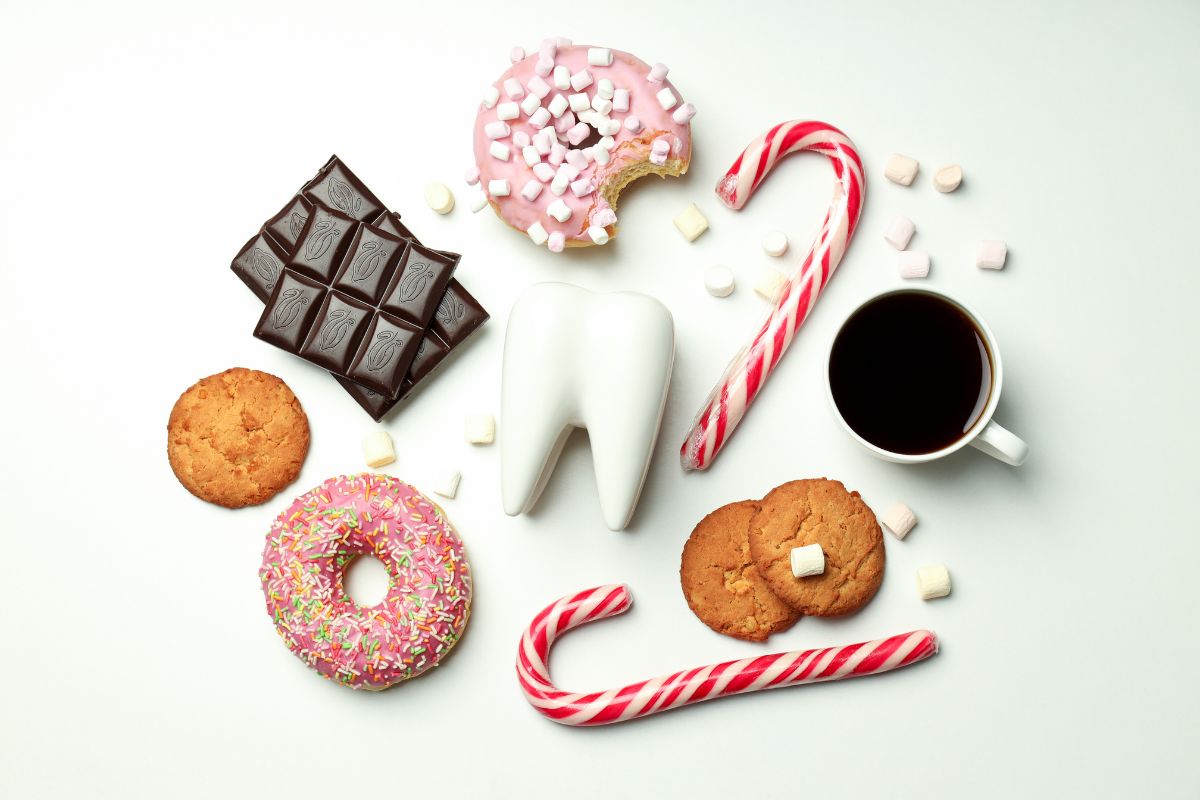
Foods to Avoid After Root Canal Treatment
Hard and Crunchy Foods
Hard foods put direct pressure on the treated tooth. That pressure can crack a temporary crown, irritate healing tissue, or cause significant pain in an already sensitive area.
Avoid:
- Chips, pretzels, and crackers
- Raw carrots, celery, and apples
- Nuts and seeds
- Hard candy and lollipops
- Crusty bread and bagels
- Popcorn
Even if the tooth feels fine at first, chewing hard food too soon can cause damage that you may not notice right away.
Sticky and Chewy Foods
Sticky foods are one of the biggest risks after endodontic treatment. They can pull at temporary restorations and get wedged into tight spaces around the healing tooth, trapping bacteria and making it harder for tissues to recover properly.
Avoid:
- Caramel and taffy
- Gummy candies and fruit snacks
- Chewing gum
- Chewy granola bars
- Dried fruit, like raisins or dried mango
- Peanut butter in thick, sticky amounts
Here in Stuart and the Treasure Coast area, many people snack on trail mix, citrus-based candy, and granola while out on the water or at the beach. Those are exactly the kinds of snacks to skip during the first few weeks of recovery.
Extremely Hot or Cold Foods and Drinks
Your treated tooth may still be sensitive to temperature even after the procedure. Hot coffee or iced drinks can trigger sharp discomfort in the days following root canal therapy.
Avoid:
- Very hot coffee, tea, or soup
- Iced drinks straight from the freezer
- Ice cream is eaten quickly without allowing it to warm slightly
- Boiling or steaming food served directly from the stove
Let hot foods and drinks cool down to a warm or room temperature before eating or drinking.
Acidic Foods and Drinks
Acidic items irritate inflamed gum tissue and can break down the temporary seal placed over the canal. They also weaken enamel, which is the last thing you want on an already-vulnerable tooth.
Avoid:
- Citrus fruits and juices (oranges, grapefruit, lemons, limes)
- Tomatoes and tomato-based sauces
- Vinegar-based condiments and dressings
- Carbonated sodas and sparkling water
- Energy drinks and sports drinks with high acid content
Spicy Foods
Spicy foods can inflame soft tissues and prolong the discomfort you feel after dental treatment. They also tend to increase saliva production and irritation around the treated area.
Avoid:
- Hot sauces and salsas
- Spicy curries and chili
- Jalapeños and raw peppers
- Heavy seasoning with cayenne or red pepper flakes
Alcohol
Avoid alcohol for at least 24 to 48 hours after your procedure, especially if you are taking any antibiotics or pain relievers prescribed by your dentist. Alcohol can interfere with medications and slow the body’s natural healing response.
Week-by-Week Guide: What to Eat After a Root Canal
Recovery is not one-size-fits-all, but here’s a general week-by-week breakdown to help you plan.
Week 1: Stick Strictly to Soft Foods
The first few days are the most sensitive. Focus on foods that require little to no chewing and are served at a comfortable temperature.
Good choices:
- Mashed potatoes (with butter, no chunky add-ins)
- Scrambled eggs or soft-boiled eggs
- Oatmeal with soft fruit stirred in
- Greek yogurt and smoothies
- Blended vegetable soups at warm temperature
- Avocado mashed or sliced thin
- Soft bananas, ripe pears, and melons
- Soft-cooked rice or pasta
- Hummus with soft pita bread
- Protein shakes and meal replacement drinks if chewing is difficult
Tips for Week 1:
- Chew only on the opposite side of your mouth
- Eat smaller bites and eat more slowly than usual
- Stay well hydrated with water at room temperature
Week 2: Gradual Reintroduction
By the second week, most patients feel noticeably better. You can slowly reintroduce foods with slightly more texture, but stay cautious.
You can try:
- Soft-cooked chicken or fish (flaked, not fried)
- Well-cooked vegetables like zucchini, sweet potato, and butternut squash
- Soft sandwiches on white bread without hard crusts
- Cottage cheese and mild cheeses
- Pancakes and French toast
- Lightly cooked oatmeal with banana or soft berries
- Canned beans or lentils
Still avoid: anything hard, crunchy, chewy, sticky, very spicy, or extremely hot.
Week 3 and Beyond: Return to Normal Eating
Once your permanent crown is placed and your follow-up appointment confirms proper healing, you can typically return to your normal diet. Your dentist will give you a clear go-ahead based on how your mouth is healing.
If you have not yet had your permanent crown placed, continue treating the tooth gently even after the sensitivity fades. A temporary restoration is not built to handle the same pressure as your natural tooth.
Foods That Support Healing After Dental Treatment
Eating soft does not have to mean eating poorly. Many nutrient-rich foods are ideal during recovery.
- Eggs– high in protein and easy to prepare in soft forms
- Avocado– packed with healthy fats and requires no chewing
- Bananas– soft, filling, and rich in potassium
- Sweet potatoes– full of vitamins when mashed or roasted until tender
- Greek yogurt– protein-rich and soothing on sensitive gums
- Smoothies with protein powder– an easy way to stay nourished without chewing
- Cooked salmon or tilapia– soft fish that flakes easily and provides omega-3s
- Bone broth or vegetable broth– warming, easy to consume, and supports tissue repair
Trust Your Recovery to a Team That Knows Your Mouth
Recovery from endodontic treatment should not feel like guesswork. If you live in Stuart or nearby communities like Jensen Beach, Hobe Sound, Palm City, or Port St. Lucie, our team is close by and ready to help. Brent Maxson DMD is located at 3509 SE Willoughby Blvd, Stuart, FL 34994. Our team provides thorough post-operative guidance so you know exactly what to expect at every stage of your recovery.
Ready to take the next step? Explore our services to learn more about what we offer, or book an appointment today and let Dr. Maxson help you get back to eating, smiling, and living.
Frequently Asked Questions
Q: How long should I wait before eating after a root canal?
Wait until the anesthesia has fully worn off before eating, usually two to four hours. Eating while numb increases the risk of accidentally biting your cheek or tongue. A dental professional can give you specific guidance based on your procedure.
Q: Can I drink coffee after a root canal?
It is best to avoid hot coffee for the first 24 to 48 hours. Very hot temperatures can aggravate the treated area and increase sensitivity. Once the initial tenderness has settled, you can enjoy it warm rather than scalding hot.
Q: Is it okay to eat on the side of the treated tooth?
For the first week or two, try to chew on the opposite side of your mouth to protect the temporary restoration and allow the area to heal. Your care provider will advise when it is safe to resume normal chewing.
Q: What if I experience pain or swelling after eating?
Some mild discomfort is normal in the first few days. If pain or swelling increases rather than improves, or if swelling spreads, contact your dental office promptly. These can be signs that additional care is needed.
Q: How do I know when I can return to my normal diet?
Once your permanent crown has been placed and your dentist confirms that the area has healed properly, you can gradually resume eating as usual. It is always a good idea to check with your care provider before making that transition.
Q: Are there foods that actually help speed up healing?
Yes. Soft, nutrient-dense foods like eggs, avocado, Greek yogurt, soft-cooked fish, and smoothies support tissue repair and keep your energy up during recovery. Staying hydrated and eating balanced meals also play an important role.
By Digitalteam
May 20, 2026
Blog Posts
A Professional Guide to Make Your Child’s First Dental Appointment Easy and Positive
What Foods Should You Avoid After a Root Canal Treatment?
When to Choose Zirconia Crowns Over Dental Fillings: A Guide for Stuart Residents
Why Jawbone Health Is the Foundation of a Successful Dental Implant – Explained By a Dentist
Bleeding Gums Explained: Why Better Oral Hygiene Is the Solution, Not the Problem
Top Questions to Ask Your Implant Dentist
