3509 SE Willoughby Blvd, Stuart, FL 34994

How long will a dental implant hurt? In most cases, soreness from dental implants lasts a few days to around a week, while deeper healing continues quietly beneath the gums. Pain or discomfort from implant tooth procedures is normal in the early healing phase and typically fades quickly.
For patients at Brent C. Maxson, DMD, PA, understanding this timeline is crucial — and this article gives you exactly that. You’ll learn what’s normal implant pain, what’s not, how long pain after dental implant usually lasts, and how to relieve pain from dental implant surgery safely.
Why You Might Feel Pain After a Dental Implant
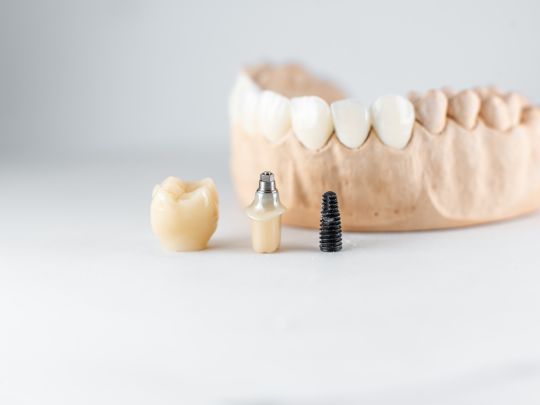
A dental implant procedure involves placing a titanium post into the jawbone under local anesthesia, so patients generally feel no discomfort during surgery. Discomfort appears after the numbness wears off because gums and bone have been manipulated during the implant’s placement.
Common short-term effects include swelling, bruising, jaw stiffness, and gum tenderness — all normal responses that contribute to temporary pain after implant dental treatment. Minor bleeding and pressure sensitivity may also occur. These symptoms usually ease as healing progresses, and most post-tooth implant pain diminishes quickly with proper care.
Typical Recovery Timeline — What Most Patients Experience
Here is a realistic healing timeline for most implant patients:
First 24–48 hours
– Peak soreness, swelling, minor bruising, and some pain after implant tooth placement
– Rest, cold compresses, and a soft-food diet are recommended
Days 3–5
– Discomfort begins to decline; swelling reduces
– OTC medications often manage remaining implant pain
Days 7–10
– Most dental implant pain after surgery subsides; gums begin sealing well
– Light chewing and normal brushing usually feel easier
Week 2 (10–14 days)
– Mouth feels close to normal; only mild tenderness
– Most return fully to routine activity
Weeks to Months (bone healing period)
– Surface discomfort is gone, but osseointegration continues
– Occasional mild sensitivity may occur during chewing, but implant pain relief strategies help
Healing may take slightly longer if a bone graft, sinus lift, or multiple implant teeth were placed, but most recover within standard timeframes.
When Is Pain Not Normal? — Warning Signs to Contact Your Dentist
While temporary soreness is expected, certain symptoms may indicate complications:
- Persistent or increasing pain after implant dental surgery beyond 10–14 days
- Sharp or throbbing discomfort that affects nearby teeth or the jaw
- Fever, pus, or severe swelling indicating infection
- Dental implant pain when chewing worsens instead of improving
- Feeling like my tooth implant hurts months later — possible implant failure or peri-implant disease
- Ongoing tenderness where the implant hurts when chewing under normal biting pressure
These signs require prompt evaluation.
What Affects How Long It Hurts — Key Factors
Several variables influence healing and the duration of post-tooth implant pain:
- Complexity of the procedure (single vs. multiple implants or bone grafts)
- Bone density and thickness
- Smoking, oral hygiene, or systemic health conditions
- How closely you follow post-op instructions
- Diet, rest, and avoiding stress on the implant site
Good healing habits generally reduce pain after dental implant treatment and speed recovery.
Practical Tips to Minimize Pain & Promote Healing
To support healing and encourage effective implant pain relief, follow these care tips:
- Use cold compresses during the first 24–48 hours
- Eat soft, cool foods; avoid hard, spicy, or hot foods
- Avoid alcohol, smoking, and using straws
- Brush gently with a soft toothbrush around the implant’s tooth site
- Use saltwater or antimicrobial rinses as instructed
- Take medications as prescribed
- Rest well and avoid heavy exertion
- Attend all follow-up visits — these ensure predictable healing and help prevent dental implant pain when chewing
Proper aftercare significantly reduces early dental implant pain after surgery and encourages a smoother recovery.
What to Expect Over the Long Term — Osseointegration & Final Restoration
Even though most discomfort disappears within a week or two, internal healing continues. The implant must fuse with the bone through osseointegration, a process that usually takes 3–6 months.
Once healed, implants feel and function like natural teeth. Well-integrated implant teeth should not cause ongoing discomfort, and long-term implant pain is uncommon. If my tooth implant hurts occasionally or if the implant hurts when chewing, it may indicate a biting imbalance or inflammation and should be evaluated.
Conclusion
Short-term soreness from dental implants is normal and temporary, with most patients recovering quickly and predictable healing continuing afterward. Persistent discomfort, however, is not normal — and recognizing the difference is key. If you’re concerned about implant pain, experiencing lingering dental implant pain relief challenges, or still noticing pain after dental implant beyond the expected timeline, a professional evaluation is essential.
How Long Will a Dental Implant Hurt
FAQs
Q. Will I feel pain during the procedure?
A: No — local anesthesia prevents discomfort during dental implant surgery.
Q. How long will it hurt afterward?
A: Most pain after implant tooth placement lasts 3–7 days and improves steadily.
Q. How soon can I return to work?
A: Usually within 1–2 days, depending on your comfort.
Q. Is implant surgery more painful than a tooth extraction?
A: Many patients report that post-tooth implant pain is milder than extraction pain.
Q. What if pain worsens instead of improving?
A: Contact your dentist immediately, especially if the pain after the dental implant increases instead of decreasing.
Q. What is the most painful part of a dental implant?
A: The first 48–72 hours after surgery are usually the most uncomfortable, as soreness and swelling peak once the anesthesia wears off. The procedure itself isn’t painful — you’ll feel pressure or vibration, but not sharp pain.
By Digitalteam
November 28, 2025
Blog Posts
A Professional Guide to Make Your Child’s First Dental Appointment Easy and Positive
What Foods Should You Avoid After a Root Canal Treatment?
When to Choose Zirconia Crowns Over Dental Fillings: A Guide for Stuart Residents
Why Jawbone Health Is the Foundation of a Successful Dental Implant – Explained By a Dentist
Bleeding Gums Explained: Why Better Oral Hygiene Is the Solution, Not the Problem
Top Questions to Ask Your Implant Dentist
