3509 SE Willoughby Blvd, Stuart, FL 34994

Yes, dentists treat crooked teeth.
Crooked teeth are among the most common dental concerns for both children and adults. While many people think crooked teeth are only a cosmetic dentistry issue, dentists know that misaligned teeth can affect oral hygiene, bite balance, speech, and long-term dental health.
At Brent Maxson DMD, patients receive comprehensive care from experienced dentists who diagnose the cause of crooked teeth and recommend treatments that protect both function and appearance. Whether you’re concerned about crooked front teeth, crooked bottom teeth, or crooked baby teeth growing in, visiting a trusted dentist is the first and most important step.
What Are Crooked Teeth—and Why Dentists Take Them Seriously
Crooked teeth refer to teeth that are misaligned, overlapping, rotated, or crowded. From a dentist’s perspective, crooked teeth are not just about how a smile looks—they are about how well the teeth function together.
Dentists often see crooked teeth contributing to:
- Difficulty brushing and flossing properly
- Increased risk of cavities and gum disease
- Uneven tooth wear
- Jaw strain and bite issues
- Speech or chewing difficulties
A dentist evaluates crooked teeth in the context of your entire mouth, ensuring that treatment improves both oral health and long-term comfort.
Common Causes of Crooked Teeth According to Dentists
Dentists understand that crooked teeth can develop at any stage of life. Some of the most common causes include:
- Genetics and inherited jaw size
- Early loss of baby teeth
- Thumb sucking or prolonged pacifier use
- Tongue thrusting habits
- Crowded jaws or spacing issues
- Improper eruption of permanent teeth
Crooked baby teeth growing in may seem harmless, but dentists often monitor them closely because early alignment problems can predict future crowding or bite issues.
Why You Should See a Dentist First for Crooked Teeth
Many patients assume they should go directly to an orthodontist. However, a dentist is usually the best place to start.
A dentist:
- Evaluates overall oral health before alignment treatment
- Identifies decay, gum disease, or bone issues
- Determines whether crooked teeth require treatment or monitoring
- Refers to orthodontic care only when necessary
A dentist acts as your primary oral health provider, coordinating care and ensuring that any crooked teeth treatment supports long-term dental stability.
Meet the Dentists Who Treat Crooked Teeth with Expertise
Dr. Brent C. Maxson, DMD

Dr. Brent C. Maxson is a native Floridian and a graduate of the University of Florida College of Dentistry, where he earned his degree in 1985 as an early graduate in his class. With decades of experience, Dr. Maxson has helped countless patients address crooked teeth through thoughtful evaluation and conservative treatment planning.
As one of the trusted dentists in Stuart, Dr. Maxson believes that correcting crooked teeth should always begin with understanding the patient’s bite, jaw structure, and oral health history. His approach focuses on preventing future complications—not just improving appearance.
Dr. Ana Payman, DMD

Dr. Ana Payman is a compassionate dentist dedicated to continuing the practice’s tradition of excellence. She is known for her gentle approach and ability to help patients feel comfortable discussing concerns about crooked teeth and alignment.
Dr. Payman emphasizes education and transparency, helping patients understand how a dentist evaluates crooked teeth and which treatment options make sense for their unique situation. Her patient-first philosophy ensures care that is both effective and reassuring.
Can a Dentist Fix Crooked Front Teeth?
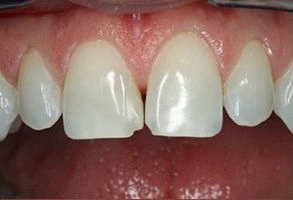
Crooked front teeth are one of the most visible alignment issues and a common reason patients seek care from a dentist. While aesthetics are often the initial concern, dentists also evaluate how crooked front teeth affect speech, bite alignment, and tooth wear.
A dentist may recommend:
- Clear aligner therapy for mild to moderate crooked teeth
- Orthodontic collaboration for more complex cases
- Cosmetic solutions when alignment issues are minimal
The dentist’s role is to determine whether treatment is necessary and to guide patients toward safe, effective options.
Crooked Bottom Teeth: A Hidden Dental Risk
Crooked bottom teeth are often overlooked because they are less noticeable. However, dentists know these teeth are particularly prone to plaque buildup and gum inflammation.
A dentist carefully evaluates crooked bottom teeth to assess:
- Cleaning challenges
- Early signs of gum disease
- Uneven bite pressure
- Accelerated tooth wear
Treating crooked bottom teeth can significantly improve oral hygiene and reduce long-term dental complications.
Crooked Baby Teeth Growing In: What Dentists Look For
Parents frequently ask whether crooked baby teeth growing in are normal. Dentists often reassure parents—but they also stress the importance of monitoring.
Crooked baby teeth may indicate:
- Limited jaw space
- Future crowding of permanent teeth
- Eruption timing issues
A dentist tracks development over time and may recommend early intervention or simple observation. Visiting a dentist early helps ensure healthy growth and prevents more serious alignment problems later.
How Dentists Decide on Crooked Teeth Treatment
Crooked teeth treatment is never one-size-fits-all. Dentists consider several factors before recommending care:
- Age of the patient
- Severity of misalignment
- Gum and bone health
- Bite function
- Overall dental history
Dentists tailor treatment plans to ensure that correcting crooked teeth supports both oral health and comfort.
Crooked Teeth Treatment for Different Age Groups
Children
Dentists monitor growth patterns and spacing. Early guidance can reduce the need for extensive orthodontic treatment later.
Teens
Dentists coordinate care for alignment issues while ensuring teeth and gums remain healthy during treatment.
Adults
Dentists address crooked teeth with a focus on function, gum health, and long-term tooth preservation.
A dentist ensures each patient receives age-appropriate, personalized care.
Preventive Benefits of Treating Crooked Teeth Early
Dentists emphasize that treating crooked teeth isn’t only about appearance. Aligned teeth are:
- Easier to clean
- Less prone to decay
- Healthier for gums
- More balanced for chewing
Correcting crooked teeth early can help patients avoid costly and invasive treatments in the future.
When Should You Visit a Dentist for Crooked Teeth?
You should schedule a visit with a dentist if you notice:
- Overlapping or twisted teeth
- Difficulty flossing certain areas
- Jaw pain or bite discomfort
- Crooked baby teeth are growing in
- Teeth shifting over time
A dentist can determine whether treatment is necessary now or if monitoring is appropriate.
Why Choosing the Right Dentist Matters
Crooked teeth—whether crooked front teeth, crooked bottom teeth, or crooked baby teeth—require professional evaluation. A skilled dentist in Stuart doesn’t just straighten teeth; they protect oral health, improve bite function, and support long-term dental wellness.
At Brent Maxson DMD, experienced dentists take a personalized, prevention-focused approach to crooked teeth treatment. If you’re looking for a trusted dentist or an experienced dentist to evaluate crooked teeth, expert care is just a call away.
Schedule your appointment today with a dentist in Stuart and take the first step toward healthier, straighter teeth and a confident smile.
By Digitalteam
January 23, 2026
Blog Posts
A Professional Guide to Make Your Child’s First Dental Appointment Easy and Positive
What Foods Should You Avoid After a Root Canal Treatment?
When to Choose Zirconia Crowns Over Dental Fillings: A Guide for Stuart Residents
Why Jawbone Health Is the Foundation of a Successful Dental Implant – Explained By a Dentist
Bleeding Gums Explained: Why Better Oral Hygiene Is the Solution, Not the Problem
Top Questions to Ask Your Implant Dentist
