3509 SE Willoughby Blvd, Stuart, FL 34994

Can teeth whitening damage gums?
The short answer: whitening can sometimes cause temporary gum irritation, but permanent harm is rare when the process is done properly. Most cases of burned gums from teeth whitening happen when whitening gel overflows or comes into direct contact with the gums for too long. With professional guidance, risks are very low.
Teeth whitening treatment is one of the most popular cosmetic dental procedures, but many people worry about whether whitening agents can hurt soft tissues. These concerns often come from reports of white gums after teeth whitening or stories of patients experiencing a chemical burn on gums after at-home kits.
As the team at Brent C. Maxson, DMD, PA, we’ve treated many patients seeking a brighter smile while protecting gum health. In this guide, you’ll learn:
- How dental whitening treatment works.
- The real risks, including when teeth whitening burns gums.
- Practical steps to prevent gums burned from whitening teeth.
- When to see a dentist if irritation doesn’t go away.
How Teeth Whitening Works
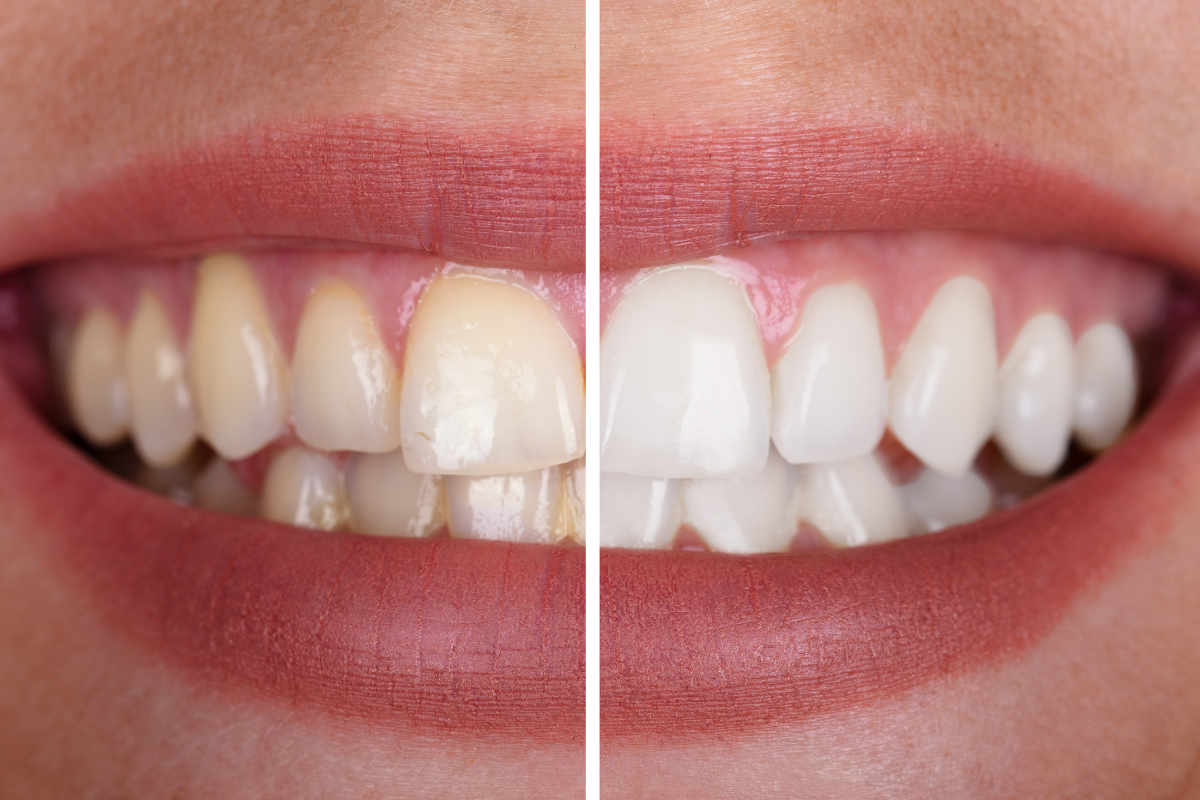
Whitening teeth relies on bleaching agents—usually hydrogen peroxide or carbamide peroxide—that break down stains on enamel. If used properly, they should not penetrate or damage gum tissue.
Types of Whitening
| Type | Pros | Cons | Gum Risk Level |
|---|---|---|---|
| Professional (in-office/laser) | Fast, dentist-supervised, most effective | Higher cost | Low – gums protected |
| At-Home Custom Trays | Convenient, tailored fit | Requires daily compliance | Medium – gel may overflow |
| Over-the-Counter (strips/gels) | Affordable, easy access | Less effective, one-size-fits-all | High – can cause teeth bleaching, burned gums |
When patients ask, “Is teeth whitening safe?” the answer depends on the method. In-office dental whitening offers the most protection, while unsupervised over-the-counter products increase the chances of irritation.
Potential Risks to Gums
So, does whitening harm gums? Here’s what can happen:
- Temporary irritation – Redness or mild burning sensation when teeth whitening burns gums.
- White gums after teeth whitening – A temporary whitening of soft tissue from peroxide exposure.
- Chemical burn on gums – Appears as white patches or peeling; usually heals in a few days.
- Increased sensitivity – Teeth may feel more sensitive to hot or cold foods.
Most patients recover quickly. Permanent gum damage is very rare unless whitening products are misused.
Factors Increasing Risk:
- Pre-existing gum disease or recession.
- Using whitening strips or trays for longer than recommended.
- Repeated treatments (sometimes called “bleachorexia”).
According to the American Dental Association (ADA), professional teeth whitening treatment is considered safe for most adults with healthy gums. However, patients with active gum disease or cavities should postpone whitening until these issues are resolved.
Symptoms to Watch For:
- Mild burning or peeling after teeth whitening gums contact.
- Gums burned from whitening teeth that stay sore for more than 48 hours.
- Sensitivity that interferes with daily eating or drinking.
How to Minimize Damage and Stay Safe
To enjoy a brighter smile without the downside of teeth whitening gums irritation, follow these steps:
- Choose professional care – An in-office dental whitening treatment uses protective barriers to shield gums.
- Follow instructions carefully – Don’t extend whitening time beyond recommendations.
- Treat gum issues first – Don’t attempt whitening with untreated gum disease or cavities.
- Rinse thoroughly – If gel leaks, rinse your mouth immediately to reduce the risk of teeth whitening burns gums.
- Take breaks – Avoid daily treatments if irritation develops.
In our experience at Brent C. Maxson, DMD, PA, patients who stick to supervised whitening rarely experience complications. A dentist can ensure gels don’t overflow and apply protective gels or shields to prevent teeth bleaching and burned gums.
When to See a Dentist:
- If irritation lasts more than 48 hours.
- If you notice persistent chemical burn on gums.
- If gum pain worsens after whitening teeth.
Conclusion
So, can teeth whitening damage gums? Yes, temporary irritation or even gums burned from whitening teeth can happen, but permanent injury is extremely uncommon. When done professionally, teeth whitening treatment is safe, effective, and unlikely to cause lasting problems.
For safe and effective whitening, consult a trusted dental professional. At Brent C. Maxson, DMD, PA, we provide personalized dental whitening solutions that protect gum health while brightening smiles.
Call today to schedule your consultation and explore a whitening option that’s safe for your teeth and gums.
FAQs
Q. Is Hydrogen Peroxide Damaging to Gums?
A: Excessive use of high-strength hydrogen peroxide or frequent applications can lead to gum irritation, resulting in inflammation, sensitivity, or even chemical burns to the soft tissues.
Q. Can Teeth Whitening Permanently Damage Gums?
A: Most over-the-counter whitening kits use low-concentration peroxide to reduce the risk of gum and tooth irritation. However, using them daily over several weeks can still cause long-term gum sensitivity due to repeated exposure
Q. Will My Gums Go Back to Normal After Whitening?
A: The good news is that mild gum irritation from whitening usually clears up within a few days once treatment is stopped. Rinsing with saltwater and using over-the-counter pain relievers can help ease any discomfort during healing.
Q. How Long Does it take for Chemically Burned Gums to Heal?
A: Moderate burns usually heal within 3 to 7 days, with swelling and pain gradually subsiding. White patches will also fade with proper, gentle oral care.
Q. How Can I Whiten My Teeth Without Damaging My Gums?
A: Teeth whitening brightens teeth by breaking down stains. Misusing or overusing these products can lead to sensitivity and gum irritation. Using custom-fitted trays or professional in-office treatments offers the safest and most effective results.
Q. Can Teeth Whitening Burn Your Gums?
A: Yes, teeth whitening can burn your gums if the whitening gel touches them. This is why professional supervision is recommended to protect your gums during treatment.
Q. Can Whitening Strips Damage Gums?
A: Yes, overusing whitening strips or applying them incorrectly can irritate or damage your gums. Always follow instructions and avoid contact with the gumline.
Q. Why Do My Gums Burn With Whitening Strips?
A: Your gums may burn from whitening strips if the bleaching agent touches the gumline, causing irritation or a mild chemical burn. Improper placement or overuse is usually the cause.
By Digitalteam
August 5, 2025
Blog Posts
What Foods Should You Avoid After a Root Canal Treatment?
When to Choose Zirconia Crowns Over Dental Fillings: A Guide for Stuart Residents
Why Jawbone Health Is the Foundation of a Successful Dental Implant – Explained By a Dentist
Bleeding Gums Explained: Why Better Oral Hygiene Is the Solution, Not the Problem
Top Questions to Ask Your Implant Dentist
Seeking a Second Opinion: Why Quality Dentists Encourage Patient Due Diligence
