3509 SE Willoughby Blvd, Stuart, FL 34994

Can Dental Implants Be Removed?
Yes, dental implants can be removed, but it is rare and typically only necessary when complications like infection, poor healing, or implant failure occur. Unlike dentures, which can be taken out easily, the removal of dental implants requires surgery since they are designed to bond permanently with the jawbone.
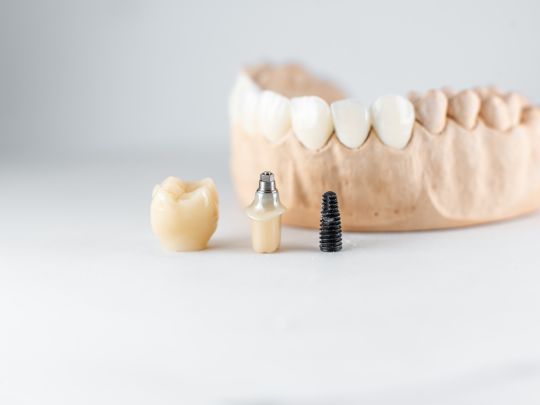
Dental implants are artificial roots, usually made of titanium, that support crowns, bridges, or full-arch restorations. They are one of the most durable and effective tooth replacement options available. Based on clinical experience in implant dentistry and guidance from the American Academy of Implant Dentistry (AAID) and the American Dental Association (ADA), this article will cover:
- How implant teeth work and why they are intended to last
- Reasons why dentists may need to remove dental implants
- The dental implant removal procedure and recovery
- Alternatives after teeth implant removal
- Prevention tips and when to see a professional
At Brent C. Maxson, DMD, PA, we’ve treated patients who have asked, “Can teeth implants be removed?” While the answer is yes, it is usually a last resort.
How Dental Implants Work and Why They’re Designed to Stay
A dental implant tooth is a titanium post surgically placed into the jawbone. Over several months, the bone fuses to the implant through a process called osseointegration. This creates a stable foundation for replacement teeth that look and feel natural.
Benefits of implant teeth:
- Long-lasting (often 15+ years)
- Preserve bone density
- Improve chewing and speaking
- Function like natural teeth
| Type | Description | Durability | Removal Likelihood |
|---|---|---|---|
| Single Implant | Replaces one missing tooth | High | Low (if successful) |
| Implant-Supported Bridge | Replaces multiple teeth | High | Low |
| All-on-4 / Full Arch | Supports an entire jaw of teeth | High | Rare, unless infection occurs |
Can Dental Implants Be Removed? Reasons and When It’s Necessary
The short answer: Yes, dental implants can be taken out, but the dental implant removal surgery is only performed when absolutely necessary. Unlike a denture, a dentist cannot simply “pop out” an implant tooth—removal requires a surgical approach.
Common reasons for removal:
- Infection (peri-implantitis): Similar to gum disease, this can cause bone loss around the implant.
- Failed osseointegration: The implant doesn’t properly bond with the bone.
- Overloading or trauma: Excessive bite force or injury damages the implant.
- Medical concerns: Rare cases of nerve involvement, titanium allergies, or systemic health issues.
- Prosthetic replacement: When opting for dentures or other solutions after teeth implant removal.
Studies in the Journal of Oral Implantology show that failure rates remain below 5% and, in many cases, problems can be treated without needing full removal dental implant surgery. Still, untreated complications can lead to worsening bone loss, making timely evaluation important.
The Removal Process and Recovery
If removal becomes necessary, a specialist performs the removal dental implant procedure under local or general anesthesia. The process may involve:
- Gently loosening the implant from the bone
- Removing the surrounding bone if it is tightly fused
- Bone grafting if future implants are considered
Risks include:
- Temporary pain and swelling
- Small risk of bone loss
- Longer healing time if bone grafting is needed
Recovery from dental implant removal usually takes 1–2 weeks, though full healing of the bone may take several months.
Aftercare steps:
- Take prescribed antibiotics and pain relievers
- Eat soft foods for several days
- Avoid smoking to improve healing
- Attend follow-up visits
Alternatives After Removal and Prevention Tips
After dental implant removal surgery, patients still have options for restoring their smile:
- Bridges: Replace one or more missing teeth.
- Dentures: Removable alternatives after tooth implant removal.
- Re-implantation: A new implant tooth may be placed after the bone heals.
Prevention tips:
- Brush and floss daily
- Get professional cleanings and exams
- Avoid grinding or clenching teeth
- Address early signs of infection promptly
These steps greatly reduce the chances you’ll need to remove dental implants in the future.
Conclusion
So, can teeth implants be removed? Yes—but it is rare and usually only necessary when there are complications. The removal of dental implants involves a surgical procedure, and while recovery is manageable, prevention remains the best strategy.
At Brent C. Maxson, DMD, PA, our team is dedicated to helping patients maintain healthy, long-lasting dental implants. If you’re concerned about an implant tooth or are considering a dental implant removal procedure, schedule a consultation with our Stuart, FL office for expert guidance.
FAQs
Q. Can Dental Implants Be Removed and Replaced with Dentures?
A: Yes, dental implants can be removed and replaced with dentures if needed. This is often done when implants fail or if a patient prefers a non-surgical option.
Q. How Long Does it Take to Remove a Dental Implant?
A: Removing a dental implant typically takes 30 to 60 minutes, depending on its condition, position, and whether surgical access is required.
Q. Can Dental Implants be Removed for Cleaning?
A: No, dental implants cannot be removed for cleaning. They are fixed in the jawbone, but your dentist can clean around them during regular checkups.
By Digitalteam
August 20, 2025
Blog Posts
Why Won’t My Teeth Whiten? 5 Reasons Professional Whitening May Not Work
Dental Implants vs. Dentures in Stuart: Which Is Better for Missing Teeth?
How Long Does Invisalign Take in Stuart? Factors That Affect Treatment Time
How Long Do Dental Crowns Last? 7 Factors That Matter
The Real Lifespan of Cosmetic Dentistry: A Comprehensive Lifespan Guide
Veneers vs. Dental Crowns in Stuart: Which Cosmetic Restoration Is Right for You?
