3509 SE Willoughby Blvd, Stuart, FL 34994

When you look in the mirror, what do you notice first about your smile? For many individuals across the Treasure Coast, minor flaws such as persistent discoloration, slight gaps, chipped enamel, or worn-down teeth can make them hesitant to smile openly. Fortunately, modern restorative and cosmetic dentistry offers powerful solutions to rebuild both the appearance and structural integrity of your teeth. Two of the most versatile, reliable, and popular restorations available today are porcelain veneers and custom dental crowns.
While both options dramatically improve the aesthetics and function of your teeth, they serve fundamentally different clinical purposes. Understanding the distinction between a cosmetic facing and a full-coverage restoration is key to making an informed decision about your oral health. At Brent Maxson DMD, Dr. Brent C. Maxson and our dedicated clinical team take a highly personalized approach to cosmetic dentistry, helping patients in Stuart, achieve durable, natural-looking, and vibrant smiles tailored to their unique anatomical needs.
Understanding the Core Structural Differences
To choose between these procedures, it helps to understand how each restoration interacts with your natural tooth structure. The primary distinguishing factors lie in coverage, enamel preparation, and clinical objective.
What Is a Porcelain Veneer?
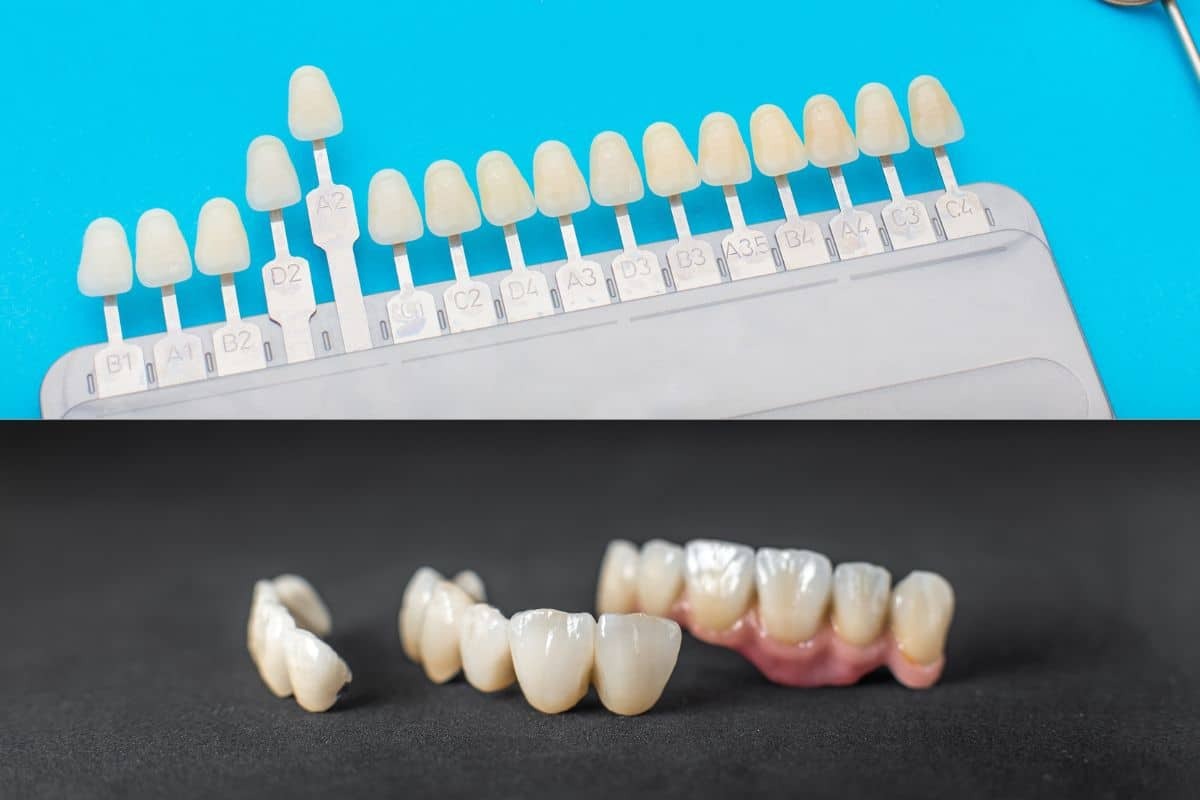
It is an ultra-thin shell of high-grade dental ceramic crafted to cover only the front (facial) surface of a tooth. Think of it like a custom-made facade for a building. It conceals cosmetic blemishes without altering the structural perimeter or internal core of the tooth.
- Primary Purpose: Aesthetic enhancement and minor shape or alignment adjustments.
- Tooth Coverage: Front surface only.
- Enamel Preparation: Minimal (typically removing around 0.5 mm of natural enamel).
- Ideal Candidates: Teeth that are structurally sound, healthy, and decay-free, but suffer from aesthetic flaws.
If you want to refine your smile’s symmetry, brighten severe internal staining, or close small gaps between front teeth, explore our advanced options for dental veneers in Stuart.
What Is a Dental Crown?
A dental crown, often referred to as a “cap”, is a full-coverage restoration that encloses the entire visible portion of the tooth above the gumline (360-degree coverage). Unlike veneers, which focus primarily on the surface visible when you smile, a crown replaces the outer layer of enamel entirely to restore strength, function, and shape to a compromised tooth.
- Primary Purpose: Structural reinforcement, functional restoration, and protection.
- Tooth Coverage: Entire tooth (360 degrees down to the gumline).
- Enamel Preparation: Moderate to substantial (removing approximately 1.5 to 2.0 mm of enamel around all sides to make room for the restoration).
- Ideal Candidates: Teeth with extensive decay, large fractured fillings, deep cracks, or those that have undergone root canal treatment.
When Are Veneers the Right Choice?
These dental facades excel at correcting cosmetic concerns in the “smile zone”—the teeth visible when you talk, laugh, and smile. Because porcelain reflects light similarly to natural tooth enamel, these dental facades offer an exceptionally realistic, luminous appearance.
This treatment is typically recommended for:
- Persistent Stains and Discoloration: Stains caused by fluorosis, tetracycline use, or deep internal trauma often do not respond to professional chemical whitening. High-quality porcelain shells block out deep discoloration effectively.
- Chipped or Minorly Worn Teeth: Accidental chips or slight edge wear can be restored, instantly bringing back youthful contours to front teeth.
- Closing Diastemas (Gaps): Gaps between front teeth can be filled by customizing the width, avoiding months of orthodontic treatment.
- Minor Misalignment or Irregular Shapes: Uneven, undersized, or slightly rotated teeth can be aesthetically straightened and proportioned.
When receiving dental veneers in Stuart, our practice preserves as much natural tooth enamel as possible. Preserving natural enamel keeps the tooth’s underlying structure strong and maintains healthy surrounding gum tissue.
When Is a Dental Crown Necessary?
While this procedure offers transformative cosmetic power, it cannot support a tooth that has lost its structural integrity. A crown provides a complete protective helmet over a weakened tooth, distributing chewing stress evenly so the natural root remains safe beneath.
Dr. Maxson typically recommends a crown when:
- Severe Decay or Massive Fillings Exist: When a cavity consumes more than half of a tooth’s structure, a simple filling or veneer leaves the remaining walls vulnerable to fracturing. A full-coverage crown binds the remaining structure back together.
- A Tooth Is Cracked or Fractured: Cracked teeth cause pain under chewing pressure as flexed pieces irritate the internal pulp. A crown holds the tooth together, eliminating pain and preventing split roots.
- Following Root Canal Therapy: Root canal treatment removes infected nerve tissue inside the tooth, causing the remaining structure to become brittle over time. Placing a crown restores functional strength and seals the tooth against reinfection.
- Heavy Occlusal Forces or Bruxism Wear: Posterior molar teeth that endure heavy grinding forces require the solid mass and durability of materials like high-grade Zirconia crowns.
What to Expect During The Treatment
Whether you receive porcelain veneers or custom crowns at our Stuart dental practice, your treatment plan follows a precise, state-of-the-art procedure designed for comfort and long-term success.
Step 1: Comprehensive Consultation & Digital Diagnostics
Your care begins with a comprehensive oral exam, digital radiography, and dynamic evaluation of your bite. Dr. Maxson evaluates the health of your enamel, gum tissue, and underlying bone to confirm which procedure best fits your dental goals.
Step 2: Tooth Preparation & Custom Impressions
To prepare your teeth, a small amount of enamel is reshaped under local anesthesia to ensure a smooth, natural fit.
- For veneers, only a fraction of a millimeter is removed from the front surface.
- For crowns, the tooth is shaped on all sides to accommodate the structural thickness of the material.
Once prepared, digital impressions are taken to record every fine contour of your mouth. An exact shade match is chosen to blend seamlessly with your neighboring natural teeth. Comfortable, realistic temporary restorations are placed while a skilled dental laboratory crafts your permanent ceramics.
Step 3: Precise Bonding & Final Fitting
Once your custom restorations arrive from the dental laboratory, you return to our Stuart office for placement. Dr. Maxson checks the fit, margins, shade, and bite alignment carefully. Once approved, your new dental restorations are permanently bonded using advanced resin cements, instantly completing your smile transformation.
Longevity and Care: Keeping Your Restorations Pristine
Both procedures offer impressive durability when cared for properly. On average, high-grade porcelain restorations can last anywhere from 10 to 15+ years. To maximize the lifespan of your new smile:
- Maintain Exceptional Oral Hygiene: Brush twice daily with a non-abrasive fluoride toothpaste and floss daily around the margins of your restorations. While porcelain cannot decay, the natural tooth underneath still can if plaque accumulates at the gumline.
- Wear a Protective Night Guard: If you grind or clench your teeth during sleep (bruxism), wearing a custom night guard protects porcelain facings from chipping under heavy nighttime pressure.
- Avoid Using Teeth as Tools: Never use your front teeth or restorations to tear open packaging, crunch on ice cubes, or bite fingernails.
- Keep Up with Regular Dental Visits: Routine professional cleanings and examinations at our Stuart office allow us to inspect restoration margins, monitor gum health, and clean hard-to-reach areas.
Transforming Local Smiles Across the Treasure Coast
Choosing between cosmetic and restorative dental treatments can feel complex, but you do not have to make the decision alone. Selecting a skilled local provider ensures that every restoration matches the high aesthetic standard and functional durability your smile deserves.
Whether you are looking to revitalize worn front teeth with high-quality dental veneers in Stuart or require a structural zirconia crown to restore a damaged molar, Dr. Brent C. Maxson and our experienced team at Brent Maxson DMD are dedicated to serving our Treasure Coast community with compassionate, state-of-the-art dental care.
Contact our office or visit our convenient location at 3509 SE Willoughby Blvd, Stuart, FL 34994 to schedule your personalized cosmetic consultation.
Frequently Asked Questions
1. Will I need a veneer or a dental crown?
Determining if you need a veneer or crown depends on tooth damage. Veneers suit minor cosmetic flaws on intact teeth, whereas structural breakage, deep cavities, or root canal treatments require full-coverage dental crowns.
2. Do porcelain veneers look completely natural?
Yes, porcelain veneers look natural because dental ceramics reflect light similarly to natural enamel. Custom tinting and translucency matching ensure your dental shells blend seamlessly with adjacent natural teeth for a vibrant, realistic smile.
3. How long do dental veneers and crowns last?
Both porcelain veneers and crowns typically last between 10 to 15 years or longer. Longevity depends on maintaining diligent daily oral hygiene, avoiding hard objects, wearing night guards for grinding, and attending routine checkups.
4. Are veneers or dental crowns painful to get?
The procedure is virtually painless because local anesthesia numbs the treatment area during tooth preparation. Some mild, temporary temperature sensitivity may occur for a few days after preparation, but it resolves quickly.
5. Can I get dental veneers in Stuart if I grind my teeth?
Yes, you can get veneers even if you grind your teeth. However, Dr. Maxson will recommend wearing a custom-fitted night guard to protect the porcelain from chipping under pressure.
6. Will dental insurance cover veneers or crowns?
Dental crowns are often covered by insurance when medically necessary to restore damaged teeth. Porcelain veneers are considered elective cosmetic procedures and are rarely covered, though flexible practice financing options are widely available.
7. How do I maintain and clean my veneers or crowns?
Clean veneers and crowns just like natural teeth by brushing twice daily with fluoride toothpaste and flossing daily. Avoid non-abrasive whitening pastes that scratch ceramics, and visit your dentist regularly for professional checkups.
By Digitalteam
August 19, 2026
Blog Posts
Why Won’t My Teeth Whiten? 5 Reasons Professional Whitening May Not Work
Dental Implants vs. Dentures in Stuart: Which Is Better for Missing Teeth?
How Long Does Invisalign Take in Stuart? Factors That Affect Treatment Time
How Long Do Dental Crowns Last? 7 Factors That Matter
The Real Lifespan of Cosmetic Dentistry: A Comprehensive Lifespan Guide
Veneers vs. Dental Crowns in Stuart: Which Cosmetic Restoration Is Right for You?
