3509 SE Willoughby Blvd, Stuart, FL 34994

Have you been living with missing teeth and wondering whether a permanent replacement option is right for you? Many adults delay treatment because they are unsure if they qualify or what the process involves. Understanding the signs of candidacy can help you make an informed decision about your oral health.
At Brent C. Maxson, DMD, patients often ask Dr. Maxson whether they are suitable candidates for dental implants in Stuart. The answer depends on several factors, including oral health, bone support, lifestyle habits, and long-term goals. This guide explains the key signs that indicate you may be ready for implant-based tooth replacement and why a professional evaluation is important.
What Makes Someone a Good Candidate for Dental Implants?
The ideal candidate is someone seeking a stable, long-term tooth-replacement option.
People who qualify often have one or more missing teeth, healthy gums, and enough jawbone to support an implant. They also want a solution that feels and functions similarly to natural teeth.
While every case is unique, many adults who have experienced tooth loss can be considered for treatment after a comprehensive examination.
Are You Missing One or More Teeth?
One of the clearest signs that you may benefit from implant care is missing teeth.
Even a single missing tooth can affect chewing, speaking, and bite alignment. Over time, neighboring teeth may begin to shift into the empty space.
Depending on your situation, treatment options may include:
Single Tooth Replacement
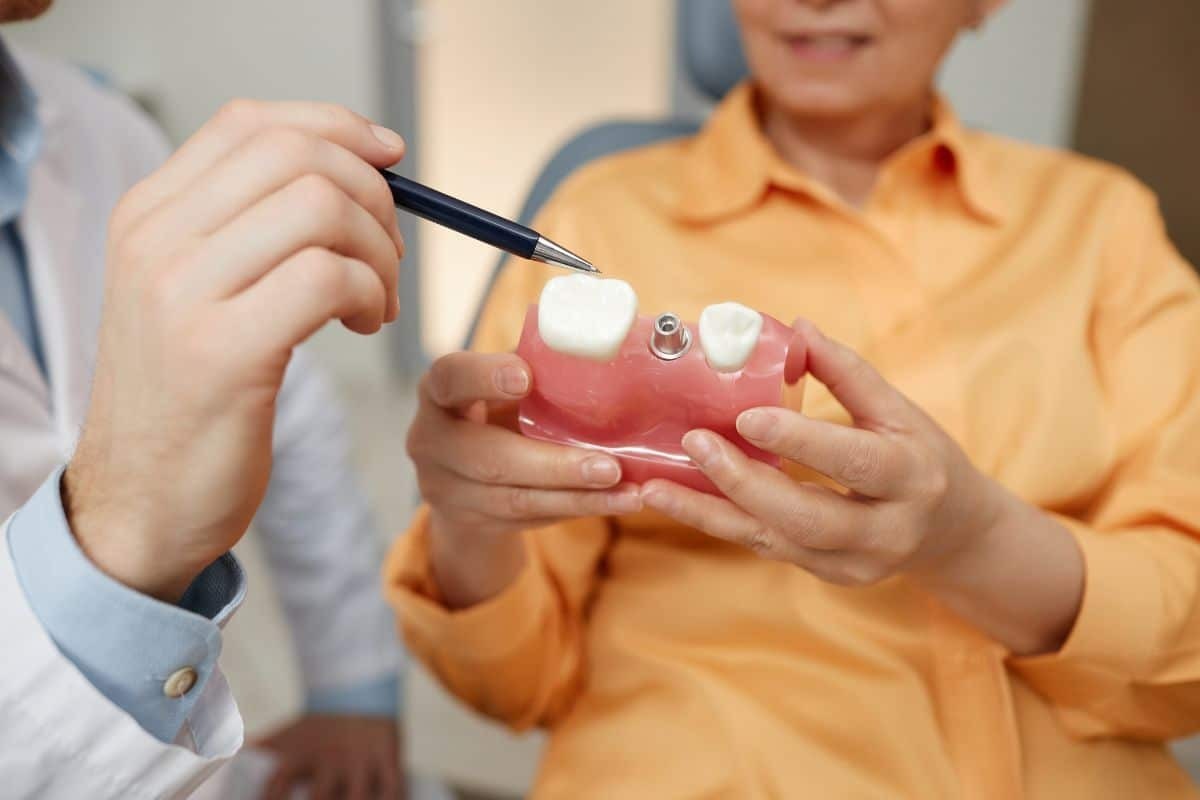
A single-tooth implant replaces a missing tooth without affecting the surrounding teeth. The implant acts as an artificial tooth root, supporting a custom restoration that blends with your smile.
Multiple Missing Teeth
Patients with several missing teeth may benefit from multiple dental implants or an implant-supported bridge. These solutions restore function while helping maintain proper bite alignment.
Extensive Tooth Loss
For patients missing most or all of their teeth, full-mouth dental implants or implant-supported dentures may provide greater stability than traditional removable appliances.
Is Your Jawbone Healthy Enough to Support an Implant?
A strong jawbone plays an important role in successful treatment.
One reason implant-supported restorations differ from other replacement-teeth solutions is their ability to stimulate the jawbone. When a tooth is lost, the underlying bone no longer receives the stimulation created by chewing forces.
Over time, this can lead to bone loss. A major advantage of implant therapy is jawbone preservation. By replacing the missing root structure, the implant helps maintain bone support and facial contours.
If bone volume has already decreased, procedures such as bone grafting may help create a suitable foundation.
Do You Want a Long-Term Solution Instead of a Removable Appliance?
Many patients seek treatment for a more permanent approach to replacing missing teeth.
Traditional dentures and bridges remain valuable treatment options. However, some people prefer a solution that stays securely in place throughout daily activities.
A permanent dental solution can provide several benefits:
- Greater chewing efficiency
- Improved comfort
- Increased confidence when speaking
- Better stability during meals
- Support for long-term oral health
This is one reason many patients exploring dental implant treatment choose implants as part of their broader restorative dentistry plan.
Are Your Gums Healthy?
Healthy gums support long-term implant success. Before treatment begins, your dentist will evaluate for signs of gum disease, infection, or inflammation. If periodontal concerns are present, addressing them first helps create a healthier environment for healing.
Patients sometimes assume they are not candidates because they have had previous dental issues. In reality, many concerns can be treated before proceeding with implant placement.
A thorough evaluation helps determine the safest path forward.
Do You Want Teeth That Look and Function Naturally?
Many people prioritize appearance, but function matters just as much. One reason implants remain a preferred dental restoration option is their ability to mimic natural tooth structure. Because the restoration is anchored below the gumline, it can provide a highly realistic appearance.
Patients often seek:
- Natural-looking teeth replacement
- Secure tooth replacement
- Improved chewing ability
- Better speech clarity
- A stable bite
When properly planned, implant-supported restorations become part of a comprehensive oral rehabilitation strategy designed to improve both appearance and function.
What Could Prevent Someone From Being an Implant Candidate?
Certain factors may require additional planning before treatment.
These may include:
Tobacco Use
Smoking can affect healing and increase complications. Patients who use tobacco should discuss their habits openly during consultation.
Uncontrolled Health Conditions
Certain medical conditions may influence healing and treatment timing. Your dentist and physician may work together when necessary.
Significant Bone Loss
Bone loss does not automatically eliminate implant options. Modern techniques often allow patients to rebuild support before treatment.
This is why a consultation with a trusted implant dentist is essential rather than relying on assumptions about candidacy.
How Does a Professional Implant Evaluation Work?
A comprehensive evaluation provides clear answers.
At Brent C. Maxson, DMD, the process typically includes:
- Review of medical and dental history
- Comprehensive oral examination
- Digital imaging
- Assessment of gum health
- Evaluation of bone support
- Discussion of treatment goals
Dr. Maxson uses this information to determine whether dental implant treatment is appropriate and which restoration approach may work best.
Many patients from Stuart, Palm City, Jensen Beach, Port Salerno, and surrounding Treasure Coast communities discover they have more treatment options than expected after a detailed discussion with the dentist.
If you have been considering replacing missing teeth, now may be the right time to visit our dental practice in Stuart for a professional assessment.
The Best Way to Know Is Through a Personalized Evaluation
If you have missing teeth, difficulty chewing, shifting teeth, or concerns about bone loss, you may be a candidate for implant therapy. Every smile is different, and the most accurate answer comes from a comprehensive examination.
At Brent C. Maxson, DMD, Dr. Maxson helps patients understand their options and determine whether dental implants in Stuart are the right fit for their needs. If you are ready to explore a secure, long-term solution for tooth loss, book an appointment today or call to schedule your consultation with our implant dentist.
Frequently Asked Questions
1. Can I get dental implants if I have worn dentures for many years?
Yes. Many long-term denture wearers successfully receive implant-supported restorations. An evaluation will determine bone availability and whether preparatory procedures are needed. A dental consultation helps identify the most suitable replacement option based on your oral health and goals.
2. Is age a factor when determining implant candidacy?
Age alone rarely determines eligibility. Overall health, gum condition, and bone support are more important factors. Many older adults pursue implant treatment successfully after a thorough assessment and personalized treatment planning from a dental professional.
3. How long does the implant process usually take?
Treatment timelines vary based on individual needs. Factors such as healing, bone quality, and the number of teeth being replaced influence the process. A dental evaluation can provide a more accurate timeline and explain each step involved in treatment.
4. Can implants help prevent future bone loss?
Implants can support jawbone health because they function similarly to natural tooth roots. This stimulation helps maintain bone structure after tooth loss. A professional consultation can determine whether implant-based treatment is appropriate for your specific situation.
5. What is the difference between implants and traditional bridges?
Traditional bridges rely on neighboring teeth for support, while implants are placed directly into the jawbone. This allows them to function independently and support bone health. A dental examination can help determine which solution aligns best with your oral health needs and long-term goals.
By Digitalteam
June 4, 2026
Blog Posts
Why Won’t My Teeth Whiten? 5 Reasons Professional Whitening May Not Work
Dental Implants vs. Dentures in Stuart: Which Is Better for Missing Teeth?
How Long Does Invisalign Take in Stuart? Factors That Affect Treatment Time
How Long Do Dental Crowns Last? 7 Factors That Matter
The Real Lifespan of Cosmetic Dentistry: A Comprehensive Lifespan Guide
Veneers vs. Dental Crowns in Stuart: Which Cosmetic Restoration Is Right for You?
