3509 SE Willoughby Blvd, Stuart, FL 34994

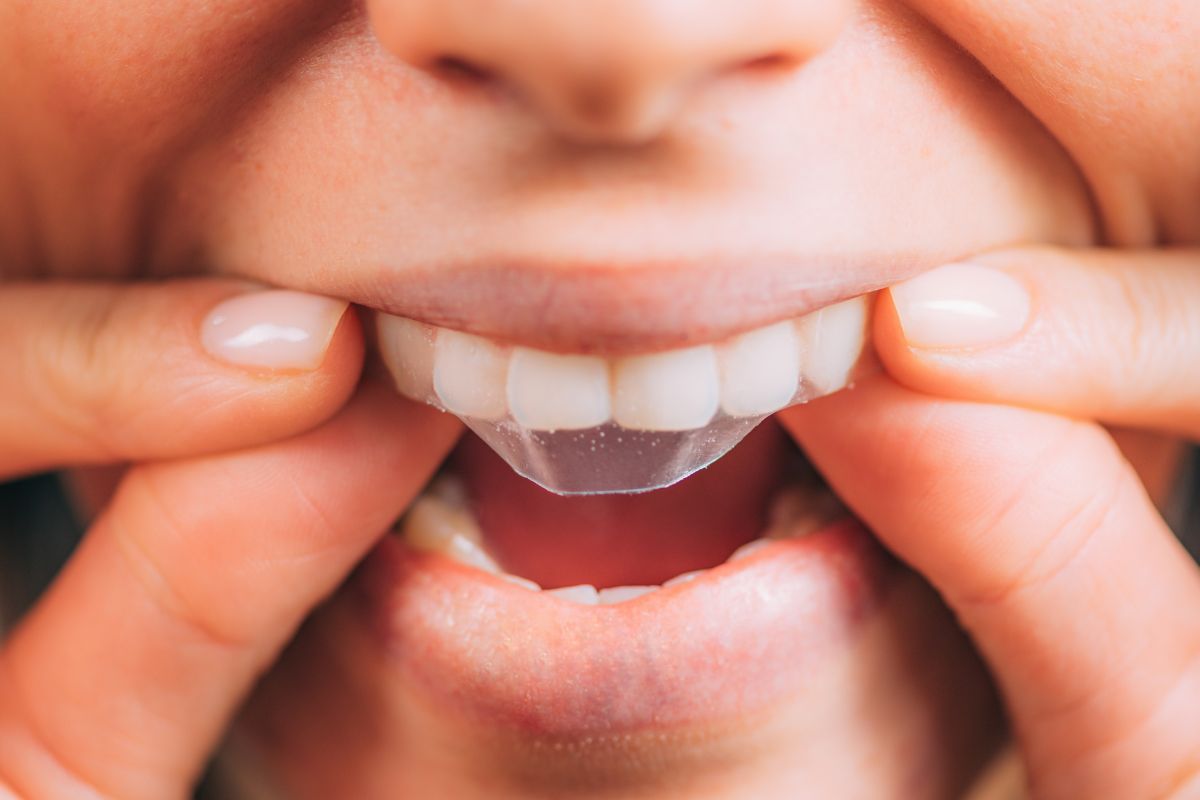
Are whitening strips bad for your teeth? The short answer: not if used correctly and in moderation. Whitening strips are thin, flexible films coated with peroxide-based gel that adhere to your teeth to break down surface stains. They’re popular because they’re convenient, affordable, and widely available. However, overuse or misuse can cause sensitivity, gum irritation, or even enamel issues.
Many patients in Stuart, FL, ask this question because habits like coffee, tea, and wine consumption are common stain-causing factors. This article explains how whitening strips work, their benefits, possible risks, safer usage practices, and professional alternatives available in Stuart. Evidence from trusted sources like the American Dental Association (ADA) is included to ensure accurate, balanced information.
At Brent C. Maxson, DMD, PA, we believe patients deserve clarity before trying any whitening teeth treatment. So, let’s separate the facts from the myths.
How Teeth Whitening Strips Work
Whitening strips use peroxide – typically hydrogen peroxide or carbamide peroxide – to remove stains from teeth. When applied, the peroxide penetrates the enamel, breaking down complex stain molecules that make teeth appear darker or yellowed.
The bleaching agents in whitening dental strips work best on extrinsic stains (those on the enamel’s surface) but can also lighten some intrinsic stains within the dentin layer. Depending on the product, the process usually requires daily use for one to two weeks.
While whitening teeth strips can effectively brighten a smile, they don’t change the natural color of teeth or work on crowns, veneers, or fillings. For more advanced discoloration, professional treatments may be needed.
In short: whitening strips do what they claim—but their effectiveness and safety depend on following directions carefully.
Benefits of Teeth Whitening Strips
Whitening strips have several advantages, making them one of the most popular at-home whitening options:
- Convenience – Easy to use at home without dentist visits.
- Affordability – More cost-effective than professional whitening.
- Accessibility – Widely available in pharmacies and online.
- Proven effectiveness – Many ADA-approved whitening strips are safe and effective when used as directed.
- Good starting point – They work well for mild to moderate stains.
Studies show that recommended teeth whitening strips can noticeably lighten teeth within days. Choosing good teeth whitening strips that carry the ADA Seal of Acceptance ensures that the product has been independently tested for safety and effectiveness.
For many patients in Stuart, whitening strips are an approachable first step before considering professional dental whitening options.
Potential Risks and Side Effects
So, are whitening strips bad for your teeth? The truth is—they can be harmful if misused. Whitening strips are safe for most people when used occasionally and according to instructions, but risks arise with overuse or improper application.
Common side effects include:
- Tooth sensitivity – Peroxide can temporarily expose dentin tubules, causing discomfort.
- Gum irritation – Whitening gel may come into contact with gums, leading to soreness or inflammation.
- Uneven whitening – Strips may not cover all tooth surfaces evenly.
- Enamel concerns – Prolonged or excessive use can weaken enamel, especially with non-ADA-approved whitening dental strips.
A Healthline review notes that improper use of whitening teeth strips may damage deeper dentin layers over time. This makes moderation critical.
So, while whitening strips are not inherently unsafe, they can become “bad for your teeth” when directions are ignored or patients with preexisting dental issues use them.
Factors That Make Them Safer or Riskier
Are whitening strips safe? Yes – if you follow best practices:
- Moderation matters – Only use them for the recommended treatment duration.
- Check ADA approval – Always choose recommended teeth whitening strips that have been tested for safety.
- Avoid if you have dental issues – People with sensitive teeth, gum disease, or worn enamel should consult a dentist first.
- Fit and coverage – Poorly fitting strips can irritate gums or whiten unevenly.
- Professional guidance – Ask a dentist if whitening strips are appropriate for your situation.
For Stuart residents, it’s important to remember that lifestyle factors like heavy coffee or tea consumption may require more frequent whitening, which increases risks. Instead of overusing whitening strips, consult your dentist for a tailored whitening plan.
Safer Alternatives in Stuart, FL
If you’re worried about whether whitening strips are bad for your teeth, consider safer professional options available locally. Dentists in Stuart, FL, including Brent C. Maxson, DMD, PA, offer:
- In-office bleaching – Delivers quick, dramatic results with controlled use of stronger whitening agents.
- Custom whitening trays – Provide better coverage and reduced gum irritation compared to store-bought whitening strips.
- Professional-grade whitening gels – Safer and more effective than over-the-counter products.
These treatments are carefully supervised, reducing the risk of sensitivity or enamel damage. While whitening strips can brighten your smile, professional solutions are ideal for long-lasting results with added safety.
Conclusion
So, are whitening strips safe? Yes – when used correctly and in moderation. Are whitening strips bad for your teeth? Only if misused, overused, or applied without professional advice. Whitening strips are a convenient, affordable option for mild stains, but professional whitening remains the safest and most effective path.
At Brent C. Maxson, DMD, PA in Stuart, FL, we help patients choose the right whitening approach—whether that’s whitening strips, custom trays, or in-office treatments. If you’re considering teeth whitening in Stuart, schedule a consultation today to achieve a brighter, healthier smile safely.
FAQs
Q. Do Teeth Whitening Strips Damage Teeth?
A: Whitening strips are safe if used as directed, but overuse or unsafe ingredients can harm enamel. Choose ADA-approved products for safety.
Q. What is the Safest Way to Whiten Teeth?
A: The safest whitening methods are dentist-supervised treatments and custom kits. For OTC products, choose ADA-approved options and follow directions to avoid sensitivity or gum irritation.
Q. Do Teeth Go Back to Normal After Whitening Strips?
A: Do teeth return to their original color after whitening? They can, but gradually over time as whitening effects fade.
By Digitalteam
September 4, 2025
Blog Posts
Common Mistakes That Can Shorten the Life of Your Veneers: How to Make Them Last Longer
A Professional Guide to Make Your Child’s First Dental Appointment Easy and Positive
What Foods Should You Avoid After a Root Canal Treatment?
When to Choose Zirconia Crowns Over Dental Fillings: A Guide for Stuart Residents
Why Jawbone Health Is the Foundation of a Successful Dental Implant – Explained By a Dentist
Bleeding Gums Explained: Why Better Oral Hygiene Is the Solution, Not the Problem
