3509 SE Willoughby Blvd, Stuart, FL 34994

Losing a tooth can affect far more than your appearance. It can change the way you eat, speak, and feel about your smile. Many people who smoke wonder whether replacing missing teeth is still possible or whether smoking automatically rules out treatment. The encouraging news is that smoking does not always prevent implant treatment, but it does require careful planning, commitment, and proper aftercare.
At Brent C. Maxson, DMD, patients receive individualized evaluations to determine the safest and most predictable treatment approach. If you have been considering dental implants in Stuart, understanding the risks and knowing how to reduce them can help you make an informed decision. With the right preparation and guidance, many patients achieve stable, long-lasting outcomes despite a history of tobacco use.
Why Smoking Creates Additional Challenges
Smoking affects nearly every stage of oral healing. Tobacco reduces blood circulation, limits oxygen delivery to tissues, and weakens the body’s natural healing response. Since an implant relies on healthy bone and gum tissue to become secure, these changes increase the possibility of healing complications.
Several factors contribute to increased treatment risks:
- Reduced blood flow to the gums
- Delayed healing after surgery
- Higher chance of bacterial infection
- Greater risk of inflammation around the implant
- Reduced bone integration during healing
These factors do not automatically prevent treatment, but they do require closer monitoring and careful patient cooperation throughout recovery.
Can Smokers Still Be Candidates for Tooth Replacement?
Many smokers successfully complete implant treatment every year. Eligibility depends less on smoking alone and more on overall oral health, bone quality, medical history, and willingness to follow postoperative instructions.
During your consultation, the dentist evaluates several important factors, including:
- Jawbone density
- Gum health
- Existing periodontal disease
- Number of cigarettes used daily
- Medical conditions that affect healing
- Oral hygiene habits
Rather than applying the same recommendation to everyone, treatment decisions are based on individual clinical findings.
Understanding the Healing Process
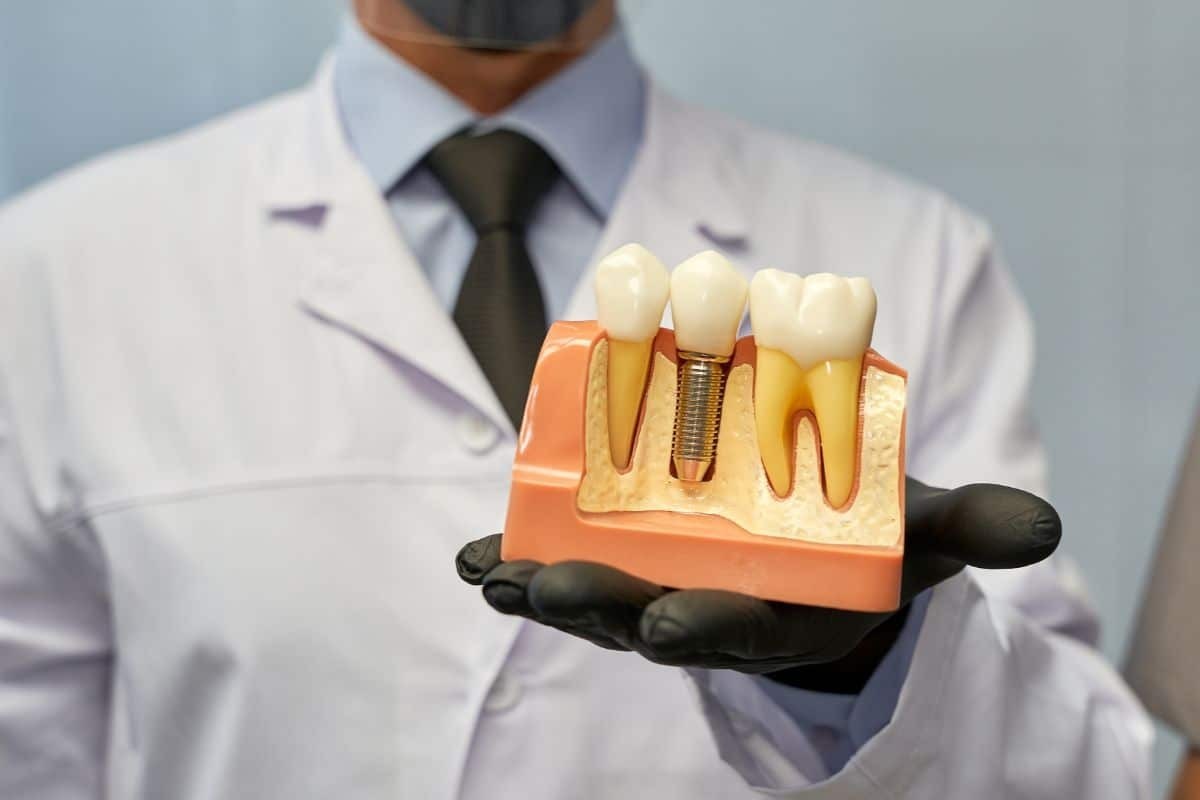
One of the most important stages is osseointegration, the biological process where the titanium implant fuses with the surrounding jawbone.
Because smoking interferes with blood supply, this process may take longer and carries a higher chance of interruption. Patients who temporarily stop smoking before and after surgery often improve their healing environment significantly.
Following postoperative instructions carefully becomes especially important during the first several weeks after surgery.
Risks Every Smoker Should Know Before Treatment
Understanding possible complications allows patients to prepare realistically instead of relying on assumptions.
Potential risks include:
- Delayed Tissue Healing
Healthy gums recover more slowly when exposed to nicotine and tobacco chemicals. Healing may require additional appointments to monitor progress.
- Increased Implant Failure Risk
Research consistently shows that tobacco use increases the possibility of implant failure compared to nonsmokers. However, successful outcomes remain achievable when risk factors are properly managed.
- Higher Risk of Peri-Implant Disease
Inflammation around implants can gradually damage the surrounding bone if left untreated. Regular maintenance visits help detect these changes before they become severe.
- Greater Chance of Bone Loss
Long-term smoking may contribute to gradual bone deterioration around the implant site, making routine follow-up care especially important.
Steps That Can Improve Success Rates
Although smoking increases treatment challenges, patients can take meaningful steps to improve healing and long-term stability.
Helpful recommendations include:
- Reduce or stop smoking before surgery whenever possible.
- Avoid tobacco completely during the initial healing period.
- Maintain excellent daily oral hygiene.
- Attend every scheduled follow-up appointment.
- Eat nutritious foods that support tissue healing.
- Report unusual swelling or discomfort immediately.
- Follow medication instructions exactly as prescribed.
These habits create a healthier environment for healing and reduce unnecessary complications.
Does Quitting Smoking Before Surgery Really Help?
Even a temporary smoking break before and after surgery can improve blood circulation and oxygen delivery to healing tissues. While quitting permanently offers the greatest health benefits, reducing tobacco exposure around the time of treatment can positively influence recovery.
This is why Dr. Maxson often discusses realistic smoking reduction strategies with patients before beginning treatment. Small lifestyle improvements before surgery can make a meaningful difference in healing outcomes.
Recovery Tips That Support Long-Term Success
The recovery period plays a significant role in determining the stability of your implant. Healing does not end when the procedure is complete. It continues for several months as the surrounding bone strengthens and adapts.
Patients who smoke should pay close attention to every postoperative instruction.
Practical recovery recommendations include:
- Keep the surgical area clean without disturbing the healing tissues.
- Brush and floss carefully using the techniques recommended by your dental team.
- Choose soft foods during the early healing phase.
- Stay hydrated throughout recovery.
- Avoid using tobacco products during healing whenever possible.
- Attend every follow-up visit to monitor progress.
Patients who actively participate in their recovery often experience fewer complications and more predictable healing.
What Results Can You Expect?
Many smokers are surprised to learn they can enjoy functional, natural-looking results after treatment. Success depends on several factors, including oral hygiene, bone health, regular professional maintenance, and reducing tobacco exposure.
Modern dental implants are designed to restore:
- Comfortable chewing
- Clear speech
- Facial support
- Confidence when smiling
- Long-term oral function
Patients who commit to ongoing maintenance often enjoy their restored smile for many years.
If you are considering dental implants in Stuart, an early evaluation can determine your current oral health and identify any steps that may improve treatment success before surgery.
Common Mistakes That Can Affect Implant Success
One area many online articles overlook is patient behavior after surgery. Small habits can significantly influence healing.
Avoid these common mistakes:
- Returning to smoking immediately after surgery
- Skipping follow-up appointments
- Ignoring bleeding or swelling
- Poor brushing and flossing habits
- Delaying treatment for gum disease
- Waiting too long to report discomfort
Recognizing these issues early helps protect your investment and supports healthier healing.
Why a Personalized Evaluation Matters
No two patients have identical oral health conditions. Smoking history, gum health, jawbone quality, and medical history all influence treatment planning.
A thorough examination allows the dentist to determine whether additional preparation is needed before implant placement. In some cases, treating gum disease or rebuilding bone first creates a stronger foundation for lasting results.
During your consultation, Dr. Maxson will explain your current oral condition, discuss potential risks honestly, and recommend the most appropriate path forward based on your individual needs rather than assumptions.
Take the First Step Toward a Healthier Smile
Smoking increases the risks associated with implant treatment, but it does not automatically eliminate the possibility of success. Careful planning, healthy recovery habits, and ongoing professional care can significantly improve your chances of achieving a stable, functional smile.
At Brent C. Maxson, DMD, every patient receives a comprehensive evaluation designed to identify opportunities for long-term success. Whether you currently smoke or are working toward quitting, you deserve clear guidance and realistic treatment recommendations.
If you have been thinking about dental implants in Stuart, now is the time to learn your options. Patients throughout Stuart and nearby communities, including Palm City, Jensen Beach, Port Salerno, Hobe Sound, and Sewall’s Point, are encouraged to book an appointment and discover whether implant treatment is the right solution for restoring their smile.
Frequently Asked Questions
1. Can I still receive implant treatment if I smoke every day?
Yes, daily tobacco use does not automatically prevent treatment. Your oral health, bone condition, and healing ability are evaluated before determining whether you are a suitable candidate. Following recovery instructions carefully can improve the likelihood of success.
2. Should I stop smoking before the procedure?
Reducing or stopping tobacco use before surgery is strongly recommended. Even a temporary break allows the body to heal more efficiently by improving blood circulation and oxygen delivery to the surgical area.
3. How long should I avoid smoking after implant surgery?
The healing period varies from patient to patient, but avoiding tobacco during the early weeks after surgery is one of the most important steps for supporting proper bone integration and reducing complications.
4. Does vaping affect implant healing?
Yes, many vaping products contain nicotine, which can reduce blood flow and interfere with normal healing. Patients should discuss all nicotine products during their consultation to receive appropriate guidance.
5. What can I do to improve my chances of long-term success?
Excellent oral hygiene, routine professional cleanings, regular follow-up visits, healthy nutrition, and reducing tobacco use all contribute to stronger healing and more predictable long-term outcomes.
6. How will I know if treatment is right for me?
A comprehensive examination, digital imaging, and a review of your oral and medical history provide the information needed to determine whether implant treatment is appropriate and whether any preparatory care is recommended first.
By Digitalteam
July 15, 2026
Blog Posts
Dental Implants vs. Dentures in Stuart: Which Is Better for Missing Teeth?
How Long Does Invisalign Take in Stuart? Factors That Affect Treatment Time
How Long Do Dental Crowns Last? 7 Factors That Matter
The Real Lifespan of Cosmetic Dentistry: A Comprehensive Lifespan Guide
Veneers vs. Dental Crowns in Stuart: Which Cosmetic Restoration Is Right for You?
Are Dental Crowns Right for You? Key Candidacy Signs
