3509 SE Willoughby Blvd, Stuart, FL 34994

How long do dental veneers last? On average, dental veneers can last anywhere from 10 to 20 years, depending on their material, maintenance, and lifestyle habits.
At Brent C. Maxson, DMD, PA, many patients choose veneers to enhance the look of their smile and boost confidence. In this article, you’ll learn what a veneer in dentistry is, the factors that influence how long teeth veneers last, the difference between porcelain and composite types, and practical ways to make them last longer. We’ll also cover when to consider replacing your veneer tooth to maintain a healthy and radiant smile.
Understanding Dental Veneers
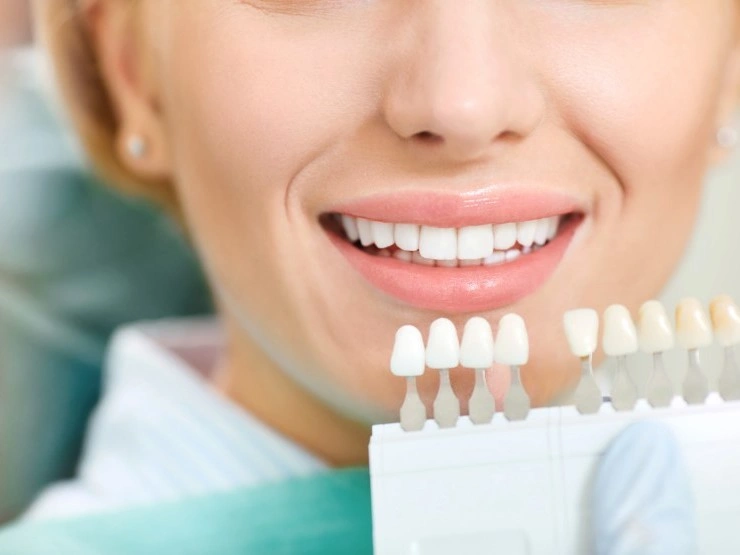
A veneer in dentistry is a thin, custom-made shell bonded to the front surface of a tooth to improve its color, shape, and alignment. This veneering of teeth is a popular cosmetic dentistry procedure that provides long-lasting aesthetic results.
There are two main types:
- Porcelain veneers: Highly durable, stain-resistant, and natural-looking.
- Composite veneers: More affordable and can often be applied in a single appointment, though they may require more maintenance over time.
Both options can dramatically enhance your smile, but their lifespan depends on several care-related factors.
Factors Influencing Veneer Longevity
Material Type: Porcelain veneers typically last 10–20 years, while composite veneers average 5–10 years. Porcelain is stronger and more resistant to discoloration, but both materials can perform well with proper care.
Oral Hygiene: Daily brushing, flossing, and using non-abrasive toothpaste are essential to keep the veneer teeth in good condition. Neglecting hygiene can lead to gum disease, which may compromise veneer stability.
Lifestyle Habits: Avoid biting hard objects, using your teeth as tools, or grinding your teeth (bruxism). Such habits can chip or damage a veneer tooth over time.
Regular Dental Visits: Routine check-ups and cleanings at a trusted dental clinic in Las Vegas allow early detection of potential issues and help maintain your teeth veneers for years.
Expected Lifespan of Veneers
According to the American Dental Association (ADA), porcelain veneers last an average of 10–15 years, while composite veneers usually last between 5–7 years. With excellent oral care and minimal wear, porcelain veneers may last up to 20 years.
Durability varies by individual factors like bite alignment, enamel strength, and daily habits. Patients who maintain consistent oral hygiene and avoid damaging behaviors often see their veneers of teeth remain flawless for much longer.
Tips to Extend the Life of Your Veneers
- Brush twice daily with a soft-bristled toothbrush and non-abrasive toothpaste.
- Floss gently around your veneer teeth to prevent plaque buildup.
- Wear a nightguard if you grind your teeth.
- Avoid excessive consumption of coffee, tea, or tobacco to reduce staining.
- Schedule regular cleanings and check-ups every six months.
Small changes in daily habits can significantly extend the lifespan of your teeth veneers and preserve their shine and functionality.
When to Consider Replacing Your Veneers
It may be time to replace your veneers if you notice:
- Chips, cracks, or discoloration
- Gum recession exposing veneer edges
- A loose or detached veneer
- Discomfort or sensitivity around the veneered tooth
Replacing a veneer tooth involves removing the old veneer, preparing the surface, and bonding a new one—restoring both appearance and function efficiently.
Conclusion
Understanding how long veneers last helps you protect your investment and maintain a radiant smile. With proper care, the right material choice, and guidance from professionals, you can enjoy your veneers for many years.
At Brent C. Maxson, DMD, PA in Stuart, FL, we specialize in high-quality veneering of teeth using advanced techniques and personalized care. Schedule your consultation today to learn more about veneers and how to keep your smile beautiful for the long term.
Contact Brent C. Maxson, DMD, PA, today to book an appointment and discover how durable, natural-looking veneers can transform your smile
FAQs
Q. What are the negatives of veneers?
A: Veneers are permanent, costly, may cause sensitivity, can’t change color, and damaged veneers usually must be fully replaced.
Q. What happens after 10 years of veneers?
A: After 10 years, veneers may show chips, stains, dullness, or loosen due to weakened bonding. Gum recession or bite changes can affect fit, often making replacement necessary.
Q. Are teeth rotting under veneers?
A: Teeth can decay under veneers if oral hygiene is poor or veneers are ill-fitted. Brushing, flossing, and regular checkups are essential to prevent decay.
By Digitalteam
October 23, 2025
Blog Posts
Dental Implants vs. Dentures in Stuart: Which Is Better for Missing Teeth?
How Long Does Invisalign Take in Stuart? Factors That Affect Treatment Time
How Long Do Dental Crowns Last? 7 Factors That Matter
The Real Lifespan of Cosmetic Dentistry: A Comprehensive Lifespan Guide
Veneers vs. Dental Crowns in Stuart: Which Cosmetic Restoration Is Right for You?
Are Dental Crowns Right for You? Key Candidacy Signs
