3509 SE Willoughby Blvd, Stuart, FL 34994

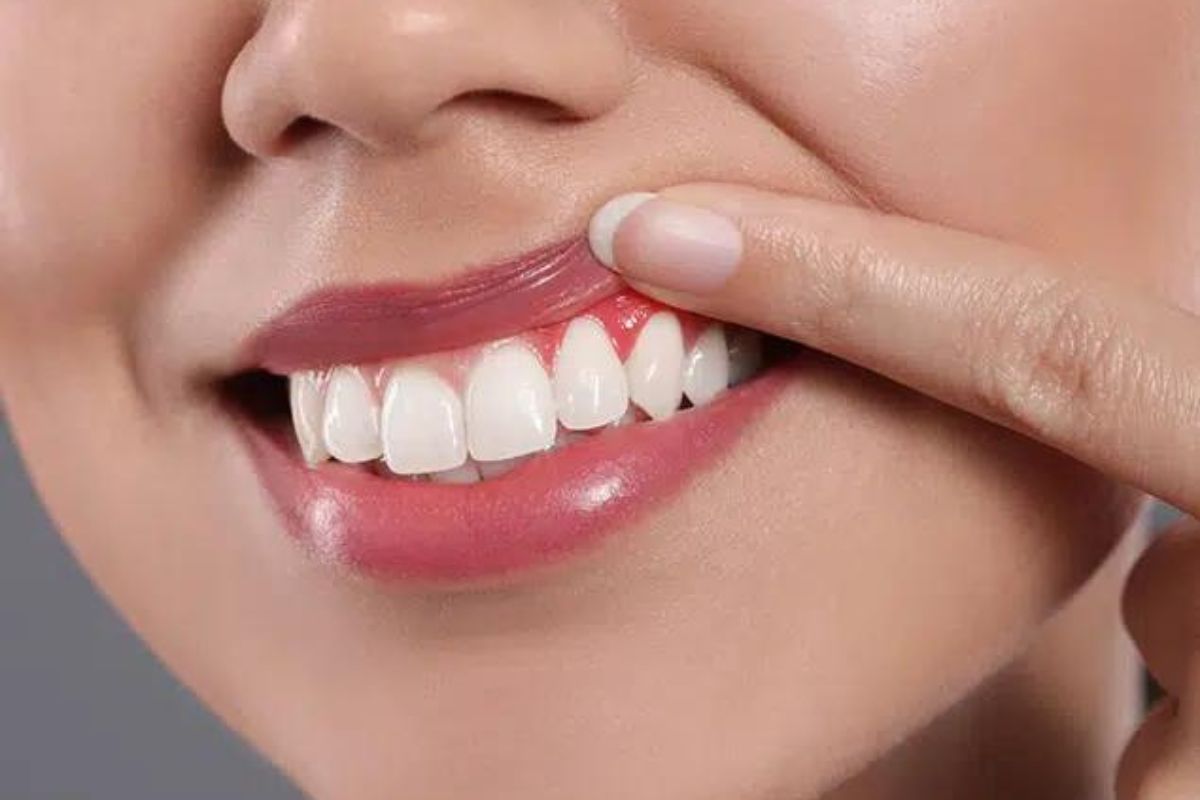
Seeing blood while brushing or flossing can be unsettling. Many people assume they are brushing too hard or damaging their gums, so they begin to avoid those areas or reduce how often they clean their teeth.
This is one of the most common misconceptions in oral health.
Bleeding gums are not a signal to stop brushing or flossing. They are a warning sign that your gums need more attention and care. In most cases, the underlying issue is inflammation caused by plaque buildup along the gumline.
Patients who begin searching for a dentist near me after noticing bleeding often discover that the condition has been developing for some time. Addressing it early can prevent more serious problems and reduce the need for advanced periodontal treatment.
What Causes Gums to Bleed?
Bleeding gums are most commonly associated with the early stages of gum disease.
When plaque is not removed effectively:
- Bacteria accumulate along the gumline
- Toxins released by bacteria irritate the gums
- The gum tissue becomes inflamed and sensitive
- Bleeding occurs during brushing or flossing
This early stage is known as gingivitis.
If left untreated, gingivitis can progress into more advanced stages that require professional gum disease treatment.
A qualified dentist can identify the cause of bleeding and recommend the appropriate course of action.
The Role of Inflammation in Gum Health
Inflammation is the body’s natural response to infection or irritation. In the case of gum disease, it is triggered by bacteria in plaque.
When inflammation develops:
- Blood flow to the gums increases
- The tissue becomes swollen and tender
- Blood vessels become more fragile
This is why even gentle brushing can cause bleeding.
It is important to understand that brushing does not cause bleeding. The inflammation is already present. Bleeding is simply a symptom of that underlying condition.
Patients who visit a dentist near me for evaluation often find that early inflammation can be managed effectively with proper care.
Why Avoiding Oral Hygiene Makes the Problem Worse
A common reaction to bleeding gums is to reduce brushing or stop flossing in sensitive areas. While this may seem logical, it allows plaque to build up further.
When oral hygiene is reduced:
- Bacteria continue to grow
- Inflammation increases
- Gum tissue becomes more irritated
- Bleeding becomes more frequent
Over time, this can lead to more serious conditions that require periodontal treatment near me to manage.
Maintaining consistent oral hygiene is essential to stopping this cycle.
What You Should Do If Your Gums Bleed
Improving oral hygiene is the most effective way to address bleeding gums in the early stages.
Brush Properly
Use a soft-bristled toothbrush and clean along the gumline with gentle, controlled movements.
Floss Daily
Flossing removes plaque and debris from between teeth where brushing cannot reach. Some initial bleeding may occur, but this typically improves within a few days.
Use Antibacterial Products
A dentist may recommend mouthwash or toothpaste designed to reduce bacteria and inflammation.
Stay Consistent
Consistency is key. Daily care allows the gums to heal and regain strength.
Patients who follow these steps often notice reduced bleeding within one to two weeks.
When Bleeding Gums Should Not Be Ignored
While occasional bleeding may indicate early gingivitis, persistent symptoms can signal more advanced gum disease.
You should consult a dentist if you notice:
- Bleeding that continues for more than a week
- Swollen or receding gums
- Persistent bad breath
- Loose teeth
- Pain or discomfort in the gums
These signs may indicate the need for professional gum disease treatment.
Delaying care can allow the condition to progress, making treatment more complex.
Can Bleeding Gums Be Reversed?
The good news is that early-stage gum disease is often reversible.
With proper care:
- Inflammation can be reduced
- Gum tissue can heal
- Bleeding can stop
Professional cleaning plays a critical role in this process. A dentist near me can remove plaque and tartar that cannot be eliminated through brushing alone.
If the condition has progressed, more advanced periodontal treatment may be required to restore gum health.
How a Dentist Treats Bleeding Gums
A dentist will evaluate the severity of your condition and recommend appropriate treatment.
Professional Cleaning
Removes plaque and tartar from the teeth and gumline.
Scaling and Root Planing
A deeper cleaning procedure used for more advanced cases. This is a common form of periodontal treatment near me.
Personalized Care Plan
Includes recommendations for at-home care and follow-up visits.
Ongoing Monitoring
Regular checkups help ensure that the condition does not return.
Seeking timely care reduces the risk of long-term damage and improves overall oral health.
Common Concerns About Bleeding Gums
“Am I brushing too hard?”
In most cases, bleeding is caused by inflammation rather than brushing technique. Using a soft-bristled brush is recommended.
“Should I stop flossing if it hurts?”
No. Flossing should continue daily. Bleeding often decreases as the gums become healthier.
“Is this a serious problem?”
Bleeding gums should not be ignored. They can indicate early gum disease that may progress without treatment.
“Will I need advanced treatment?”
If addressed early, many cases can be managed with improved hygiene and routine care. More advanced cases may require periodontal treatment.
How to Maintain Healthy Gums Long Term
Preventing gum disease requires consistent care and regular dental visits.
Daily Oral Hygiene
- Brush twice a day
- Floss daily
- Use recommended dental products
Routine Dental Checkups
Regular visits allow early detection and treatment of potential issues.
Healthy Lifestyle Choices
Balanced nutrition and avoiding tobacco products support gum health.
Follow Professional Advice
A dentist near me can provide personalized guidance based on your specific needs.
Maintaining these habits reduces the likelihood of needing extensive gum disease treatment in the future.
Take the First Step Toward Healthier Gums
Bleeding gums are a clear signal that your oral health needs attention. Ignoring the issue or reducing oral hygiene can allow the condition to worsen over time.
The right approach is to improve daily care and seek professional guidance when needed.
At Brent C. Maxson, DMD, PA, patients receive comprehensive care focused on preventing and treating gum disease at every stage. Whether you need routine cleaning or advanced periodontal treatment, the goal is to restore your oral health and protect your smile.
If you have noticed bleeding while brushing or flossing, now is the time to act.
Schedule your appointment with Brent C. Maxson, DMD, PA today and take the first step toward healthier gums and long-term oral wellness.
By Digitalteam
April 22, 2026
Blog Posts
Dental Implants vs. Dentures in Stuart: Which Is Better for Missing Teeth?
How Long Does Invisalign Take in Stuart? Factors That Affect Treatment Time
How Long Do Dental Crowns Last? 7 Factors That Matter
The Real Lifespan of Cosmetic Dentistry: A Comprehensive Lifespan Guide
Veneers vs. Dental Crowns in Stuart: Which Cosmetic Restoration Is Right for You?
Are Dental Crowns Right for You? Key Candidacy Signs
