3509 SE Willoughby Blvd, Stuart, FL 34994

Dental veneers have become one of the most sought-after treatments in cosmetic dentistry, transforming smiles by masking imperfections while enhancing overall appearance. Whether you’re considering veneers for the first time or already enjoying the benefits of these custom shells, understanding when and why you might need to replace them is just as important as the initial procedure itself.
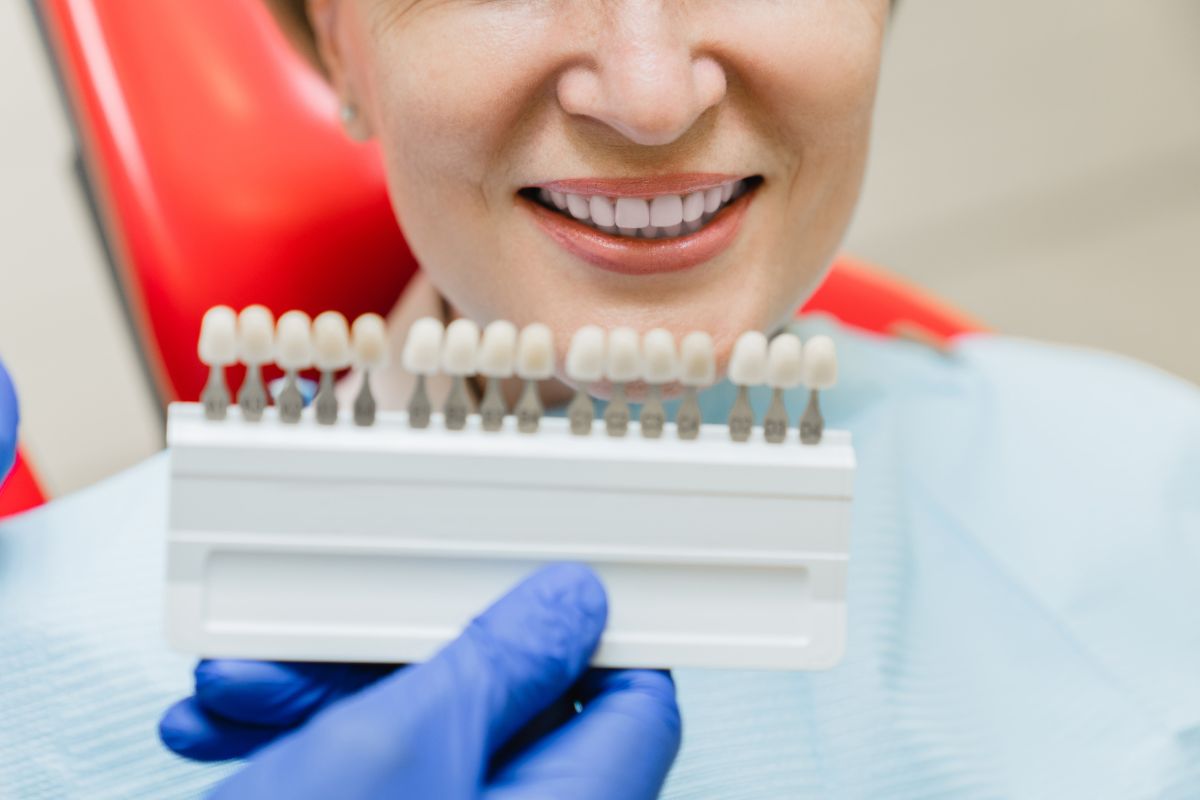
At its core, a veneer in dentistry is a thin covering made from porcelain or composite material bonded to the front surface of a tooth. This tooth veneer — part of the broader process called veneering — conceals issues such as discoloration, chips, cracks, or minor alignment flaws. While durable and lifelike, these dental veneers are not permanent and will eventually require attention to maintain both function and aesthetics.
If you’ve been Googling “dentist near me” or searching for a Stuart dentist to evaluate your smile, this guide from a trusted dentist in Stuart will help you recognize the key signs that your veneers may need replacement — and why timely dental care matters.
How Long Do Veneers Last?
One of the first questions patients ask is: How long can I expect my veneers to last?
The lifespan of veneers varies depending on the material used and how well they are maintained. Porcelain veneers — known for their strength and resistance to staining — typically last around 10 to 15 years, and sometimes even longer with excellent care. Composite resin veneers, on the other hand, tend to have a shorter lifespan of about five to seven years because they are more prone to wear and discoloration.
Several factors influence these timelines:
- Oral hygiene habits: Regular brushing, flossing, and routine dental checkups help preserve the appearance and longevity of veneers.
- Bite habits: Grinding or clenching your teeth puts extra stress on veneers and can lead to premature wear or damage.
- Lifestyle diets: Foods, beverages, or habits that stain natural teeth can also affect veneers — especially composite types that are more porous.
- Bonding quality: How well the veneer adheres to the natural tooth surface affects how long it stays stable and functional.
Even when veneers outlive their expected time frame, changes in your smile’s appearance or comfort should prompt a professional assessment from your dentist in Stuart.
Why Veneers Eventually Need Replacement
While veneers are resilient and built to last, they aren’t meant to be permanent fixtures. Over time, changes in your oral structures, daily habits, and even the natural aging process contribute to material wear or aesthetic deterioration.
The enamel on your natural teeth — to which the veneer is bonded — can change over the years. Gum tissue may recede, allowing the edges of the veneer to become visible. Tiny cracks can form from biting forces. The bond between the veneer and the tooth can weaken. These gradual changes are part of why veneers eventually need replacement.
Understanding these patterns helps you stay proactive about your dental health rather than waiting until a small problem becomes a larger concern.
Main Signs Your Veneers May Need Replacement
Here are the most common indicators that it may be time to reconnect with your dentist near me and discuss potential veneer updates:
1. Visible Damage: Chips, Cracks, or Fractures
Both porcelain and composite teeth veneers are strong, but they aren’t indestructible. Over time, biting into hard foods, grinding teeth, or accidental impact can cause visible chips or cracks. Even minor damage compromises the veneer’s integrity and may expose the underlying teeth to issues such as decay or sensitivity.
If you see cracks or feel rough edges with your tongue, it’s a clear sign to seek dental evaluation.
2. Loose or Uncomfortable Veneers
Well-fitted veneers should feel smooth and secure. If a veneer suddenly feels loose, unstable, or uncomfortable while chewing or speaking, the adhesive bond may be failing. This instability not only affects comfort but also raises the risk of detachment or food trapping beneath the veneer.
A professional assessment from a Stuart dentist can determine whether repositioning, repair, or replacement is necessary.
3. Staining or Discoloration
Porcelain veneers are highly stain-resistant, while composite veneers are more susceptible to discoloration. Over time, foods, drinks, and habits such as smoking can dull the surface or stain the edges. Even when veneers themselves resist staining, the bonding cement around them can darken, leading to a mismatched smile appearance.
If whitening your natural teeth no longer matches the veneer shade, replacement is often the best long-term solution.
4. Gum Recession or Fit Changes
As gums recede with age or periodontal issues, the margins of veneers become visible. This affects not just the appearance but also oral health, as exposed tooth surfaces near the gumline can be more vulnerable to decay and sensitivity. Gaps between gums and veneers can also trap food and bacteria.
Your dentist in Stuart can evaluate whether gum health or veneer fit issues are present and recommend strategies to protect both.
5. Outdated or Worn Appearance
Smile preferences change, and so does dental material technology. Older veneers may appear more opaque or less natural compared to modern options. Additionally, changes in facial features or tooth alignment over time may make older veneers look mismatched with surrounding teeth.
Updating your veneers can refresh your smile and incorporate the latest advances in cosmetic dental design.
6. Sensitivity or Pain
New or increasing sensitivity can be a warning sign. Sensitivity to hot or cold temperatures — especially under or around veneers — may signal that the bond has weakened or that decay has developed beneath the veneer surface.
While veneers themselves don’t decay, the natural teeth underneath can. Any discomfort should be promptly evaluated.
7. Functional Changes: Bite or Speech Issues
If your bite starts to feel different or you notice changes in speech patterns, warped veneers may be the culprit. A shifted bite can occur naturally over time or when a veneer no longer aligns correctly with surrounding teeth. These changes can impact jaw comfort, speaking confidence, and eating habits.
Your dentist in Stuart can assess bite and alignment to determine whether veneer replacement is necessary.
When to See Your Dentist in Stuart
Routine dental checkups remain the best way to ensure your veneers (and overall oral health) stay in top condition. Visiting your dentist in Stuart every six months allows for:
- An evaluation of veneer condition and bonding integrity
- Early detection of issues like gum recession, decay, or fit changes
- Professional cleaning and polishing to preserve appearance
- Advice about habits that might be affecting veneer longevity
While self-checks at home are useful, nothing replaces a professional assessment for oral health.
How Replacement Works
When replacement is recommended, the process generally includes:
- Consultation & Evaluation: Your dentist examines the current veneers, underlying teeth, and gum health and discusses your aesthetic goals.
- Preparation: Old veneers are carefully removed, and the natural tooth is prepared for the new veneer.
- Impression & Design: New teeth veneers are custom-designed to match your smile and bite.
- Placement: The new veneer is bonded to your tooth with dental cement, shaped, and polished.
The entire veneer replacement process is typically completed over a few dental visits, depending on the number of veneers and individual needs.
Tips to Extend the Life of Your Veneers
To help make your veneers last as long as possible, keep these care tips in mind:
- Brush and floss daily using non-abrasive toothpaste
- Avoid chewing ice, pens, or hard foods
- Wear a night guard if you grind your teeth
- Maintain regular dental cleanings and checkups
- Avoid tobacco products and limit dark-staining foods
Good oral health habits not only preserve your veneers but also protect your underlying teeth and gums.
Key Takeaway
Dental veneers are a powerful cosmetic solution that adds confidence and enhances your smile. However, like all dental restorations, they will eventually need replacement due to wear, damage, or changes in oral health. Being aware of the signs — from visible cracks to bite changes — helps you act early and avoid more complex issues down the line.
If you’re noticing any of these signs or have questions about your veneers, it’s time to schedule a checkup with a trusted dentist in Stuart. At Brent Maxson DMD, we specialize in personalized cosmetic and restorative solutions, including expert evaluation and replacement of dental veneers.
Ready to refresh your smile? Call Brent Maxson DMD today or book your veneer assessment to keep your smile bright, healthy, and confident!
FAQs
Q. How many times can veneers be replaced?
A: Veneers can be replaced multiple times, but there’s no fixed limit. Replacement depends on how much healthy tooth enamel remains. Since each new veneer requires slight tooth preparation, sufficient enamel is needed to safely support it.
Q. Can you replace old veneers with new ones?
A: Veneers can be replaced multiple times as long as there is enough healthy tooth structure underneath. Your dentist can determine this after removing the existing veneers. On average, veneers are replaced every 15–20 years.
By Digitalteam
February 11, 2026
Blog Posts
Dental Implants vs. Dentures in Stuart: Which Is Better for Missing Teeth?
How Long Does Invisalign Take in Stuart? Factors That Affect Treatment Time
How Long Do Dental Crowns Last? 7 Factors That Matter
The Real Lifespan of Cosmetic Dentistry: A Comprehensive Lifespan Guide
Veneers vs. Dental Crowns in Stuart: Which Cosmetic Restoration Is Right for You?
Are Dental Crowns Right for You? Key Candidacy Signs
